Grantee Spotlight
Meet Dr. Adelsheim
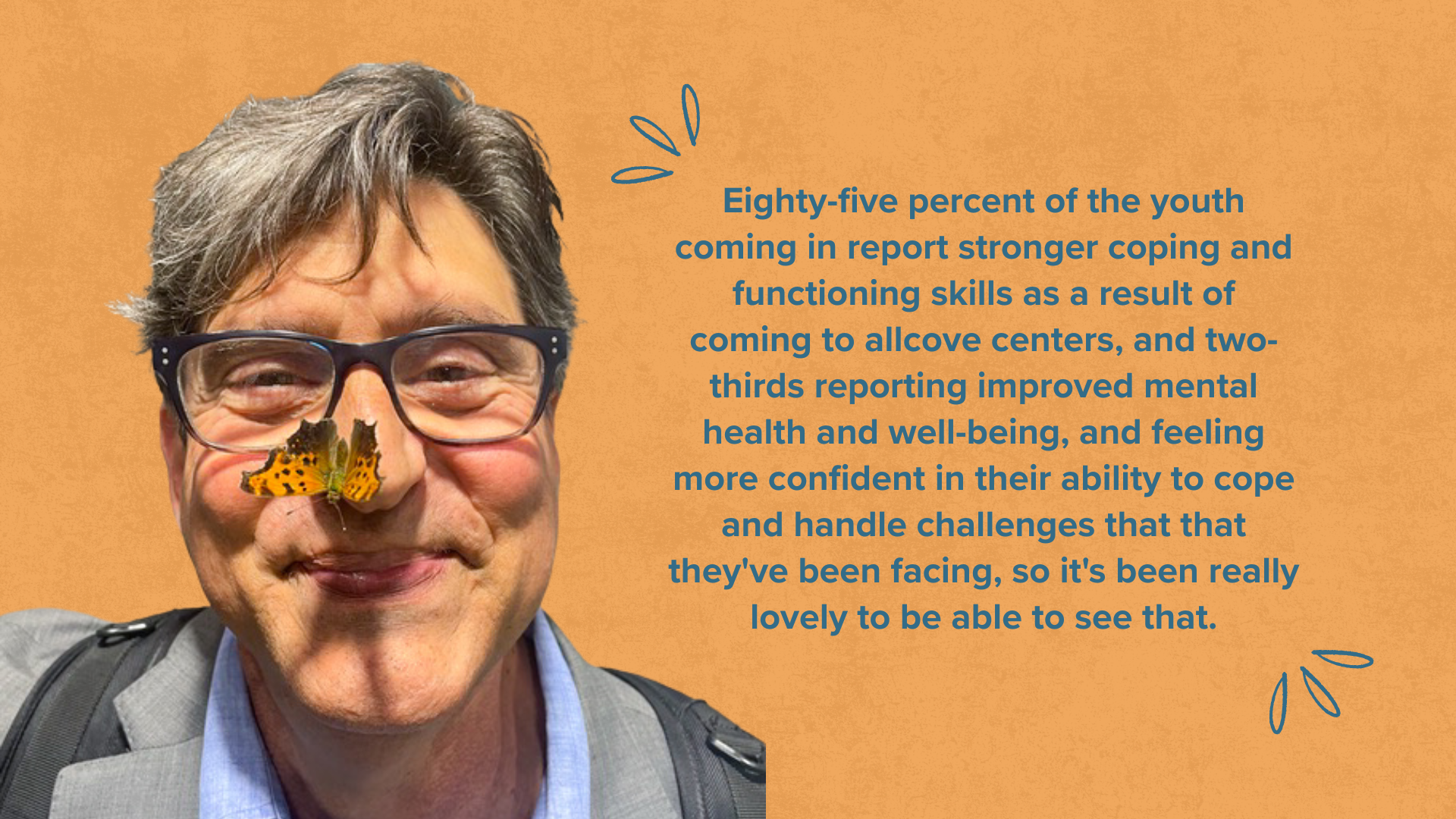
“Throughout my career, I've really focused on trying to create upstream early intervention models of care for young people to get support for mental health issues. And now, that includes the youth voice and ensuring that young people are really involved in all aspects of getting care and support,” says Dr. Steven Adelsheim, MD and Clinical Professor of Psychiatry and Behavioral Sciences.
Before joining the Stanford team 13 years ago, Dr. Adelsheim spent 28 years working with the University of New Mexico and at the state level, supporting school mental health programs, youth suicide prevention policy efforts, and developing telepsychiatry support for Native American communities across New Mexico. For a period, he served as the state psychiatric medical director, where he had his first opportunity to explore clinical research studying early psychosis.
While exploring additional community programs that would provide early support for young people in addition to school mental health models, Dr. Adelsheim learned about a program in Australia called headspace that aligned with his vision for early intervention models, and the allcove journey began.
A Study and the Birth of allcove
Inspired, Dr. Adelsheim secured a grant from the Robert Wood Johnson Foundation to conduct a feasibility study for bringing a similar model to the United States.
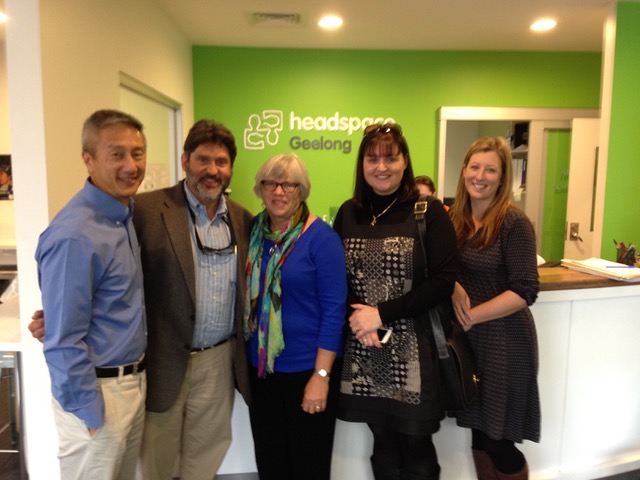
In 2014, a group traveled to Australia to see the centers first hand and meet with the headspace team. Equipped with that knowledge, they met with youth-serving programs across the United States to evaluate how they differed. This study jump-started a 14-year journey to get to where we are today, as word of his efforts brought him together with then-Supervisor Joe Simitian, who advocated to the county for additional exploratory funding to address youth mental health in Palo Alto.
“We were able to create a youth advisory group based on getting a position for a youth development specialist, and those young people got very excited about the model, became advocates for it, which then led to the county behavioral health leadership getting more excited about it. Then we went to the state and got the support to start pilots in Santa Clara County,
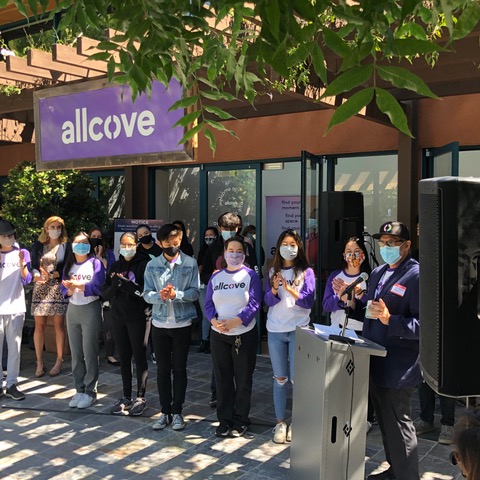
and that's how allcove Palo Alto had a chance to begin.”
A Third Space for Youth and Stanford’s role
allcove is the culmination of decades of advocacy for early intervention models and spaces where young people can feel comfortable going to find support.
“We talk now about third places, spaces that aren’t home or school, and really see these allcove centers now as important third places for young people to come together and to find a range of activities or other kinds of supports, while also accessing a range of services,” Dr. Adelsheim shares.
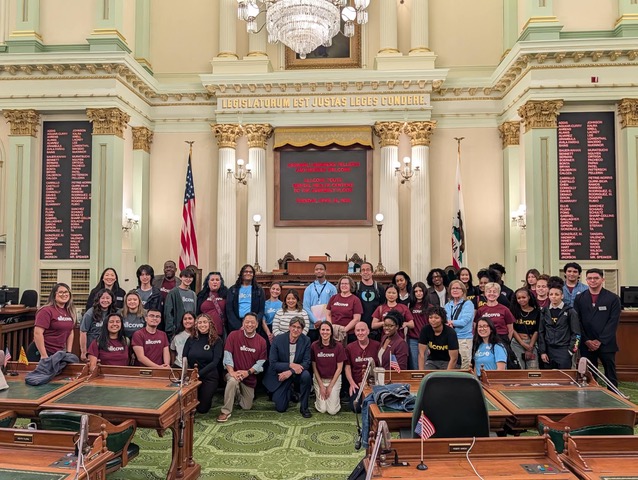
As allcove expands, there is a distinct focus on ensuring each center shares an intentional framework, a central data collection system, and provides the same core programming, which includes mental health, physical health, peer and family support, education and employment, and substance use services. Stanford is considered the backbone organization for allcove, with a dedicated team of experts in place that supports the implementation of each center and maintains continuity across locations through regular meetings and trainings.
“We provide a learning management system, where we do trainings for all the allcove centers together across the state as well,” he explains, “so we provide a whole range of supports to ensure that, as these centers are coming up, you know they're providing all the core services in a really supportive, effective, and culturally grounded way that really reflects their own community.”
And even in this regard, Dr. Adelsheim’s passion for centering youth voice is front and center; a youth development manager helps each allcove center develop their youth advisory group—the core of every allcove Center—made up of diverse young people who are involved in program and service development, and more, even helping to interview potential staff members.
This summer, Dr. Adelsheim and the team at the Stanford Center for Youth Mental Health and Wellbeing are evaluating the impact that being a youth advisor has had on young adults who are now pursuing higher education or career opportunities. “We're starting to see that youth advisory role as the beginning of a workforce career pathway that is really important too.”
The Power of Community and What’s Next
In the next year, the team will add five more allcove centers to the allcove network, with the hopes of scaling to reach youth across the nation in the coming years.
“Canada has the same population as California, and they’re building 400 centers across Canada. We're trying to get to 10, so we have a long way to go, because there are so many communities that need them,” says Dr. Adelsheim. “When the state last had a funding opportunity for allcove centers, over 50 communities applied, and they funded six, so there's a lot of interest.”
Now, the challenge becomes securing core funding, both for the Stanford team to be able to support allcove development, and then to replicate the model more broadly. Initiatives like the Palo Alto Community Fund’s Community Campaign and the advocacy of Assembly Member Berman and Senator Becker who helped secure $5M in the state budget, are steps in the right direction, but more support is needed to ensure the longevity of the centers and their services.
“We need the support of the state, of the counties, of philanthropy to also help each center continue to be able to provide these core services for young people.” Dr. Adelsheim added. “We've been so grateful for the Palo Alto Community Fund's advocacy and their willingness to support the allcove Center in Palo Alto. And we're really grateful that we have the opportunity now to build awareness, to build additional resources, and build increasing access for our young people as we continue to build out services in the schools, the core services that allcove provides in the community, and more partnerships with other community agencies. Together, we can help the allcove centers become even more of a community space with a range of mental health supports and wellbeing for our young people as well as their families to come together to help the whole community thrive even more.”