Gather & Grow 2026
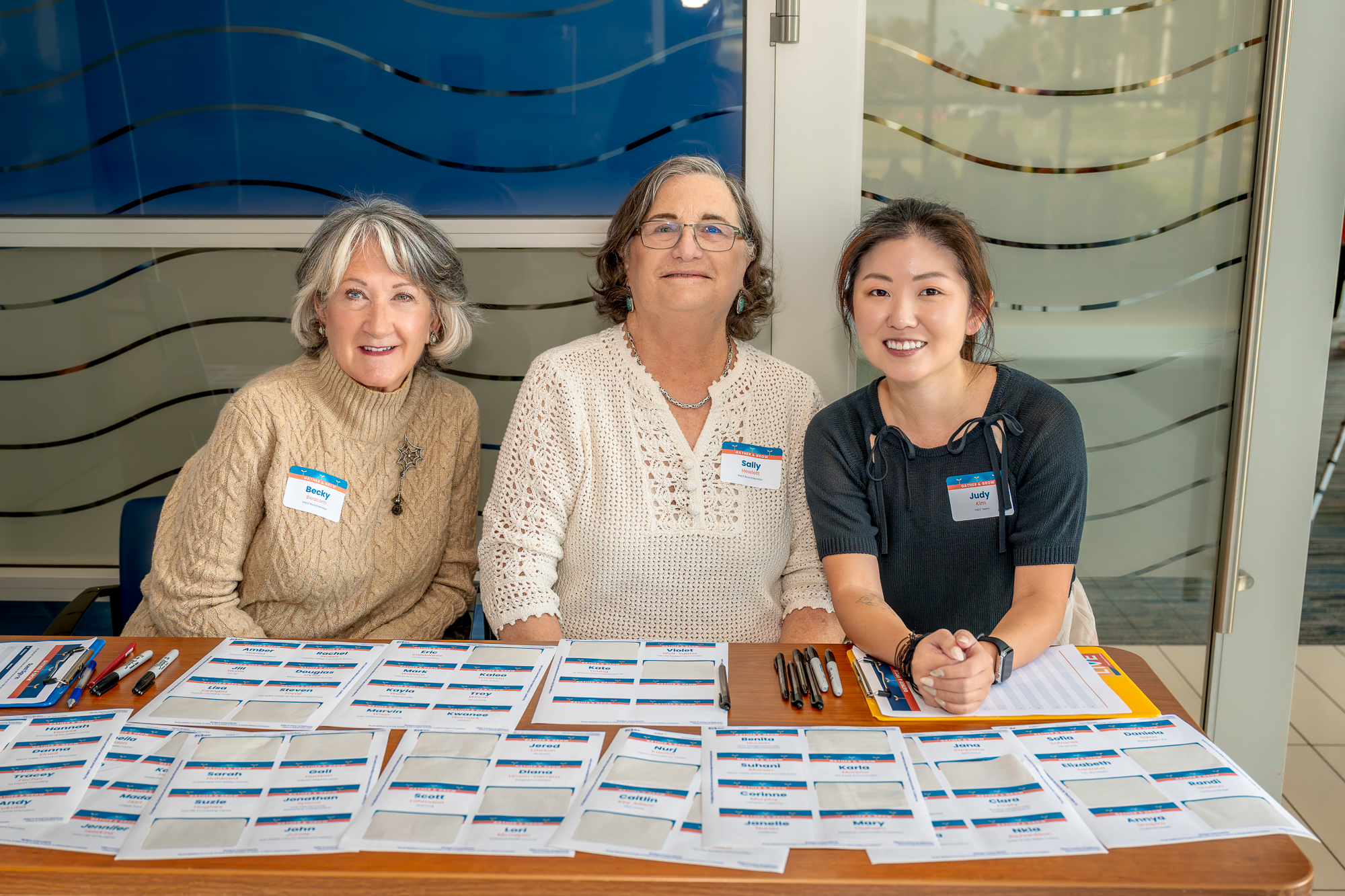
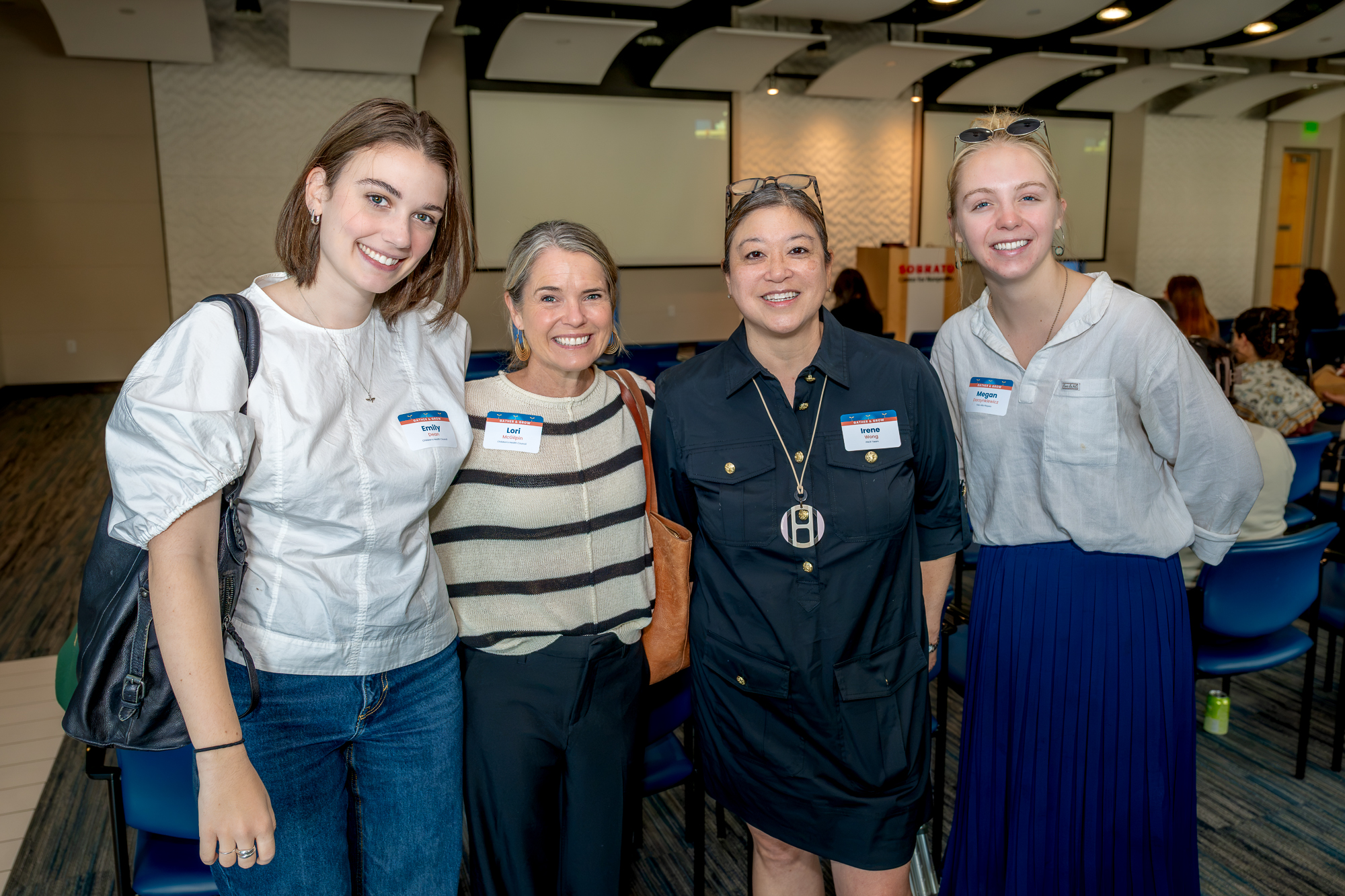
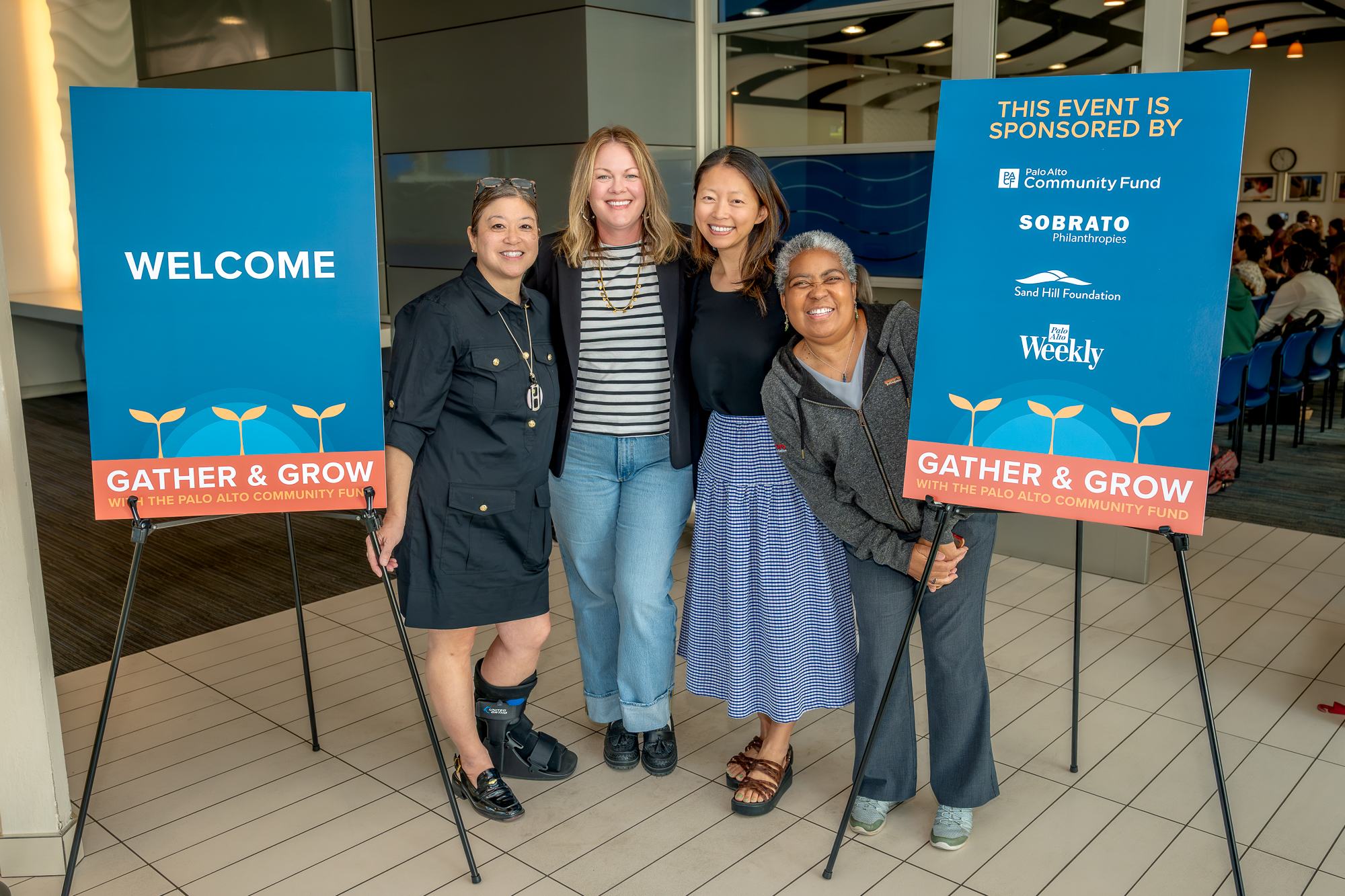
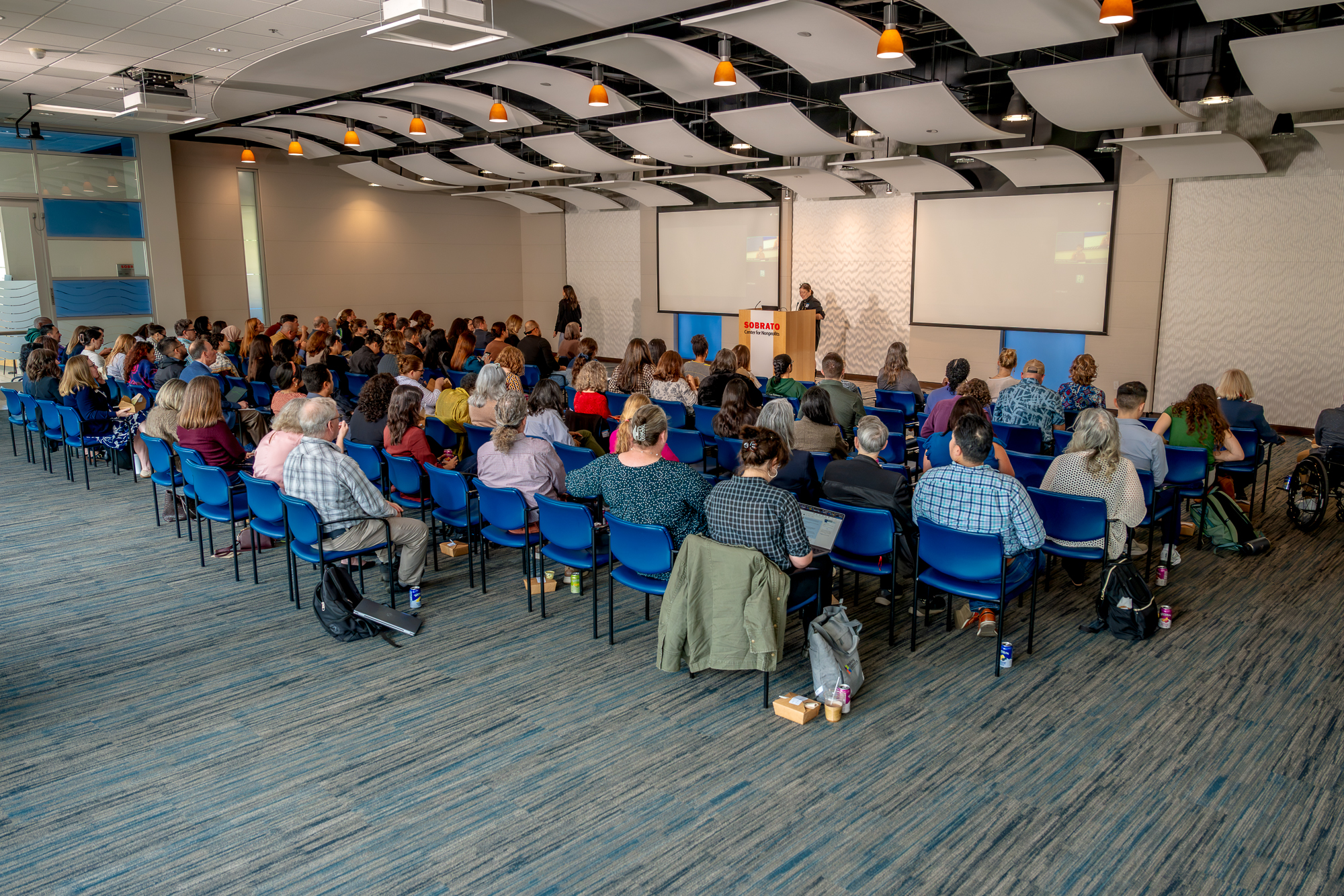
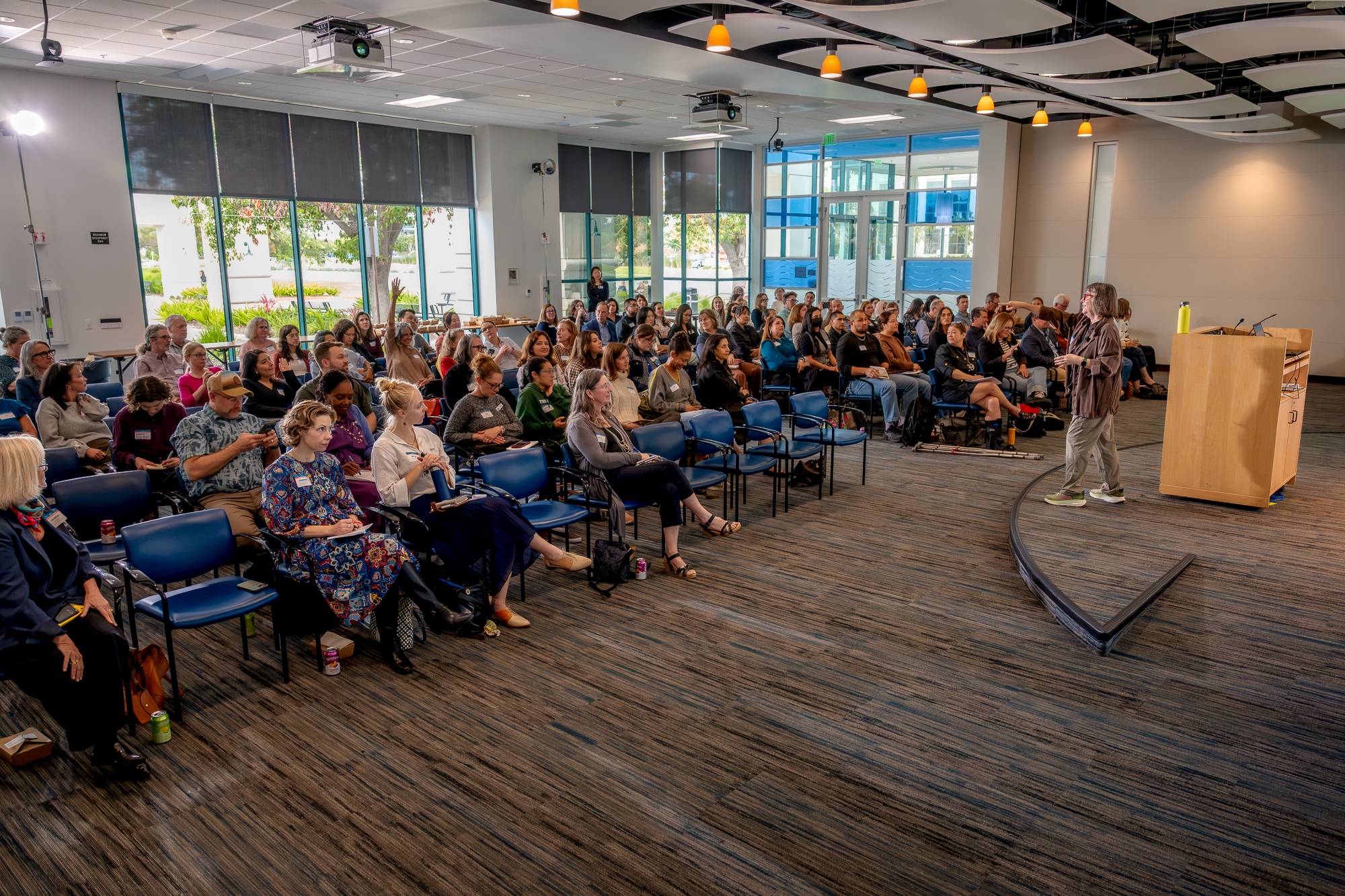
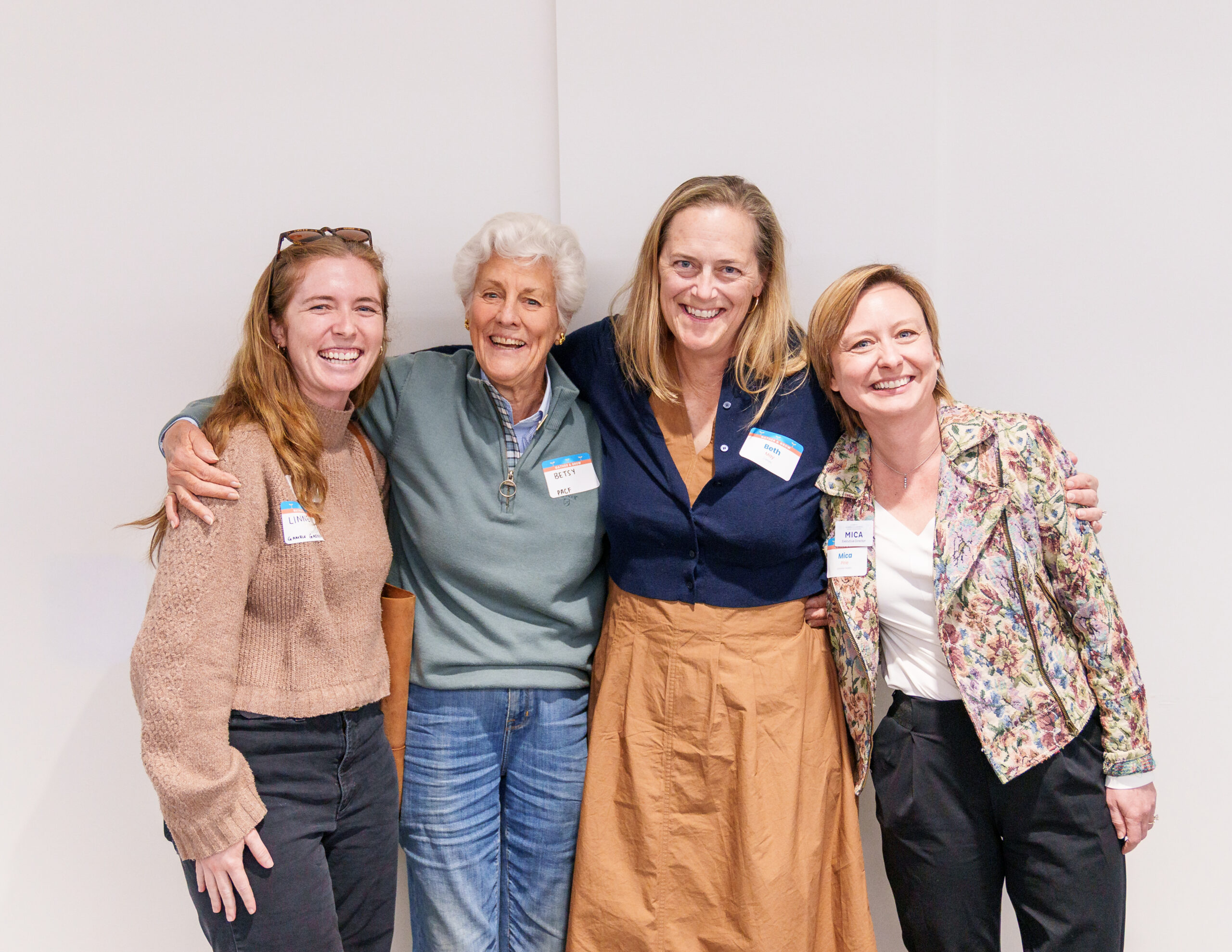
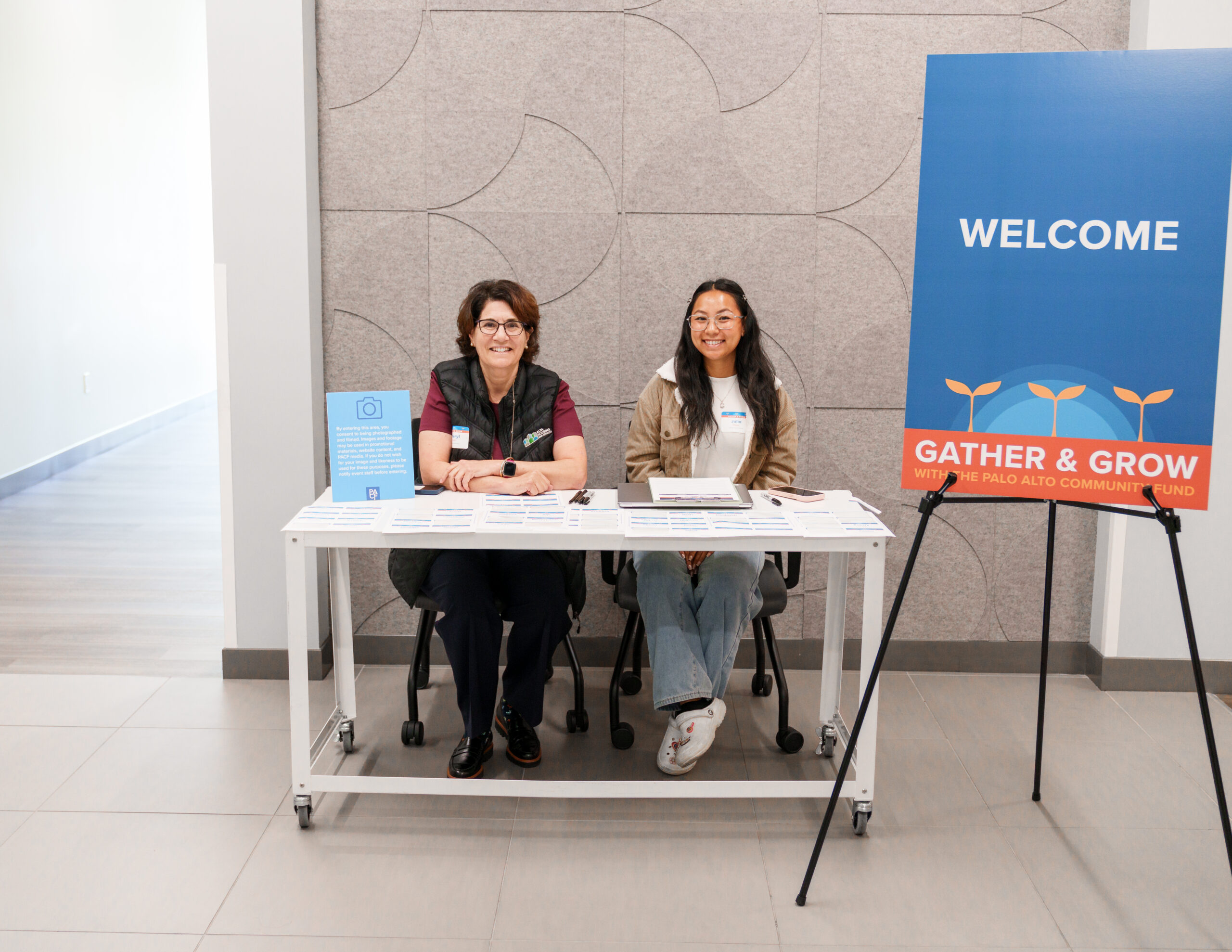
At Palo Alto Community Fund, supporting our grantees beyond the check means bringing people, knowledge, and resources together to help strengthen their work. On October 20, Gather & Grow brought that approach to life, welcoming approximately 150 nonprofit colleagues for lunch, networking, and a timely program on human-centered AI adoption.
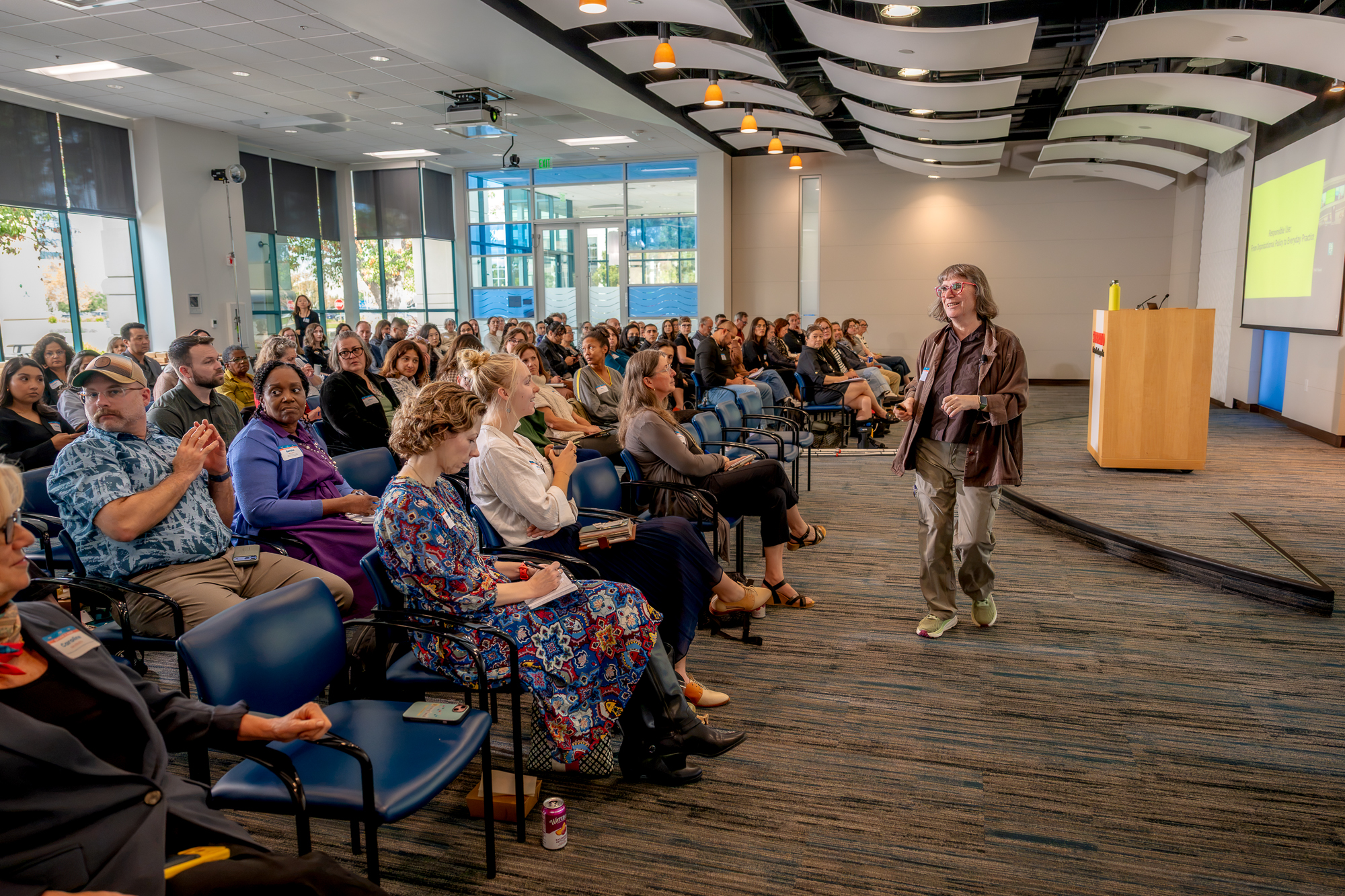
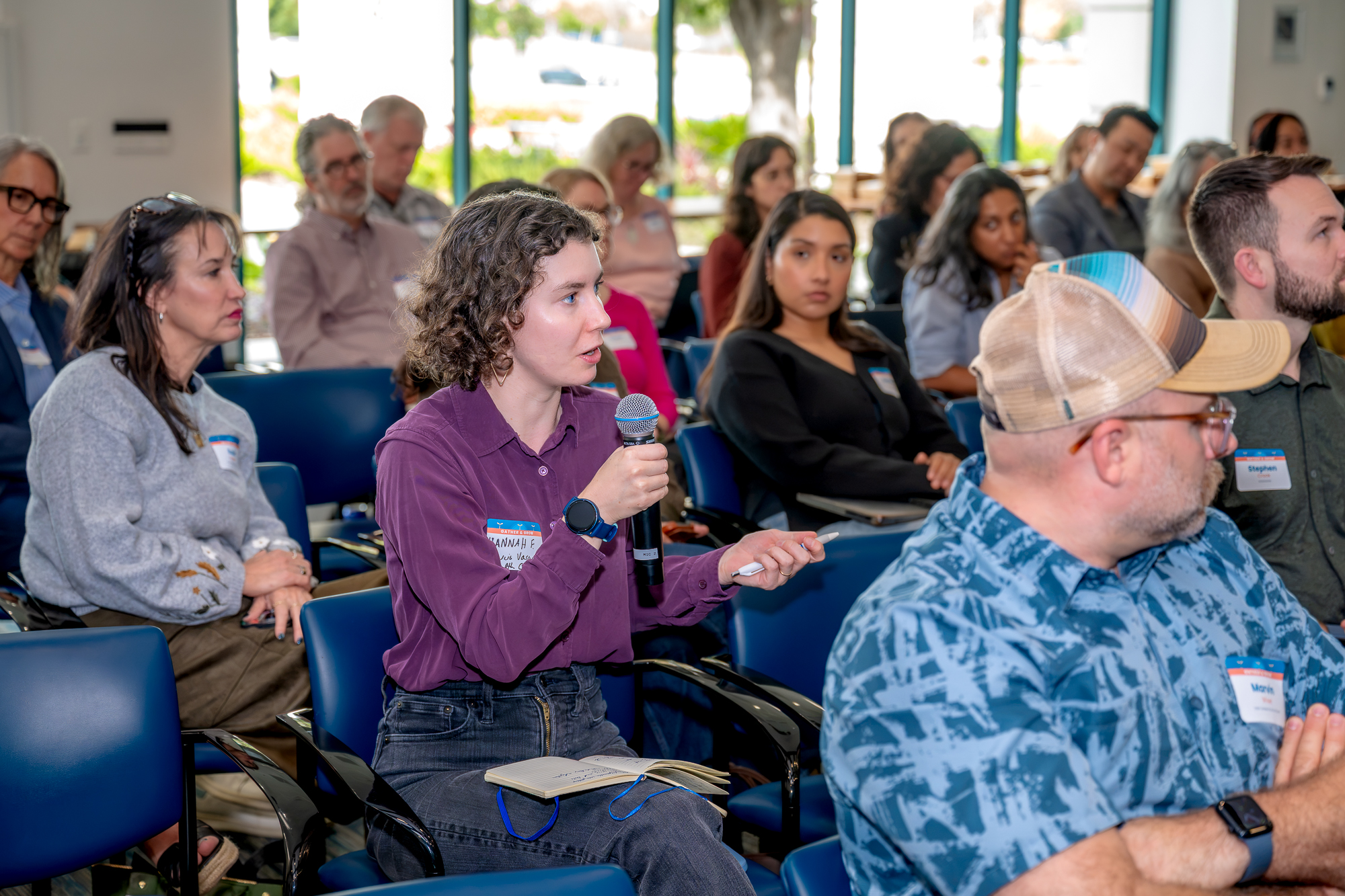
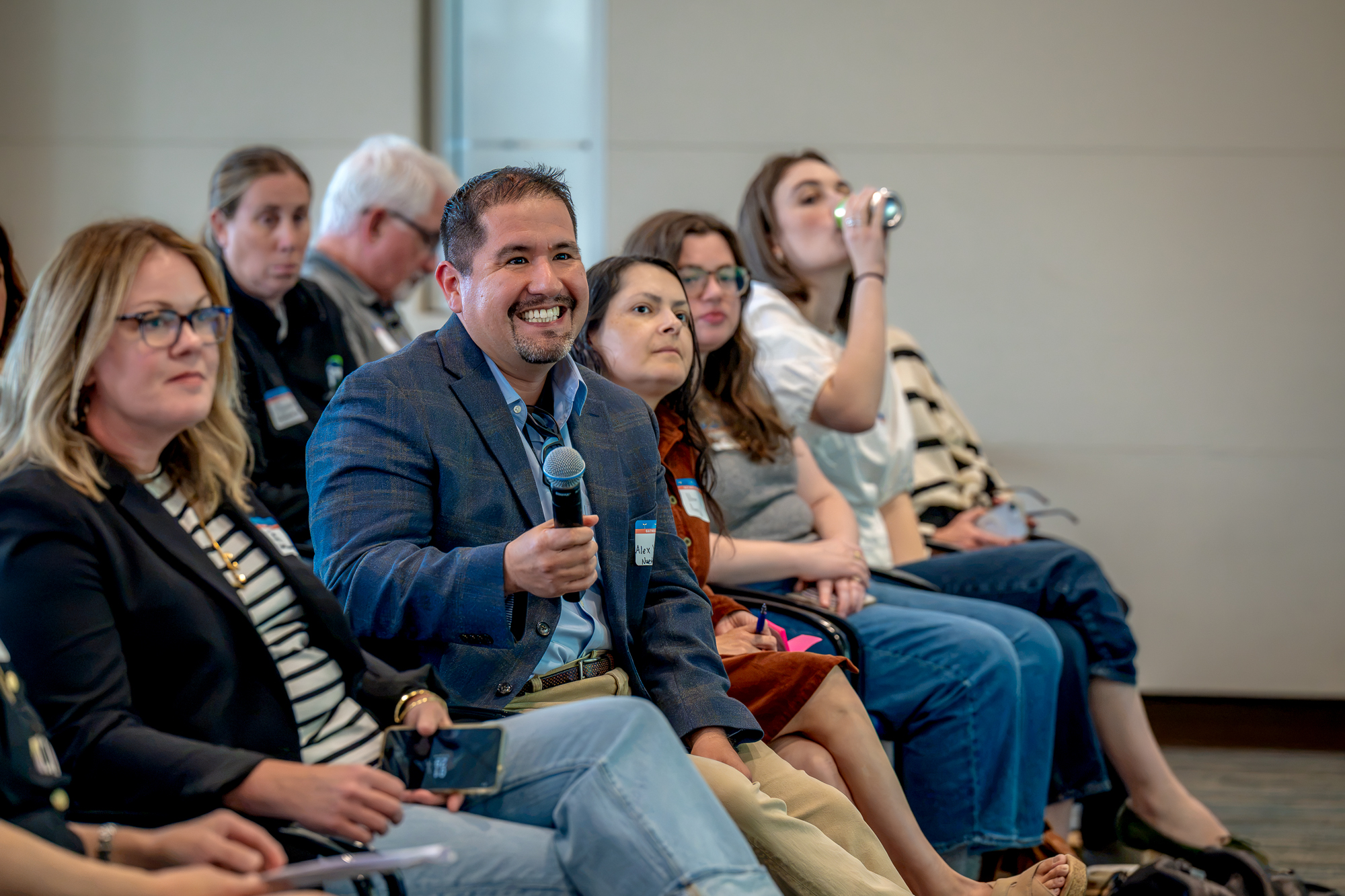
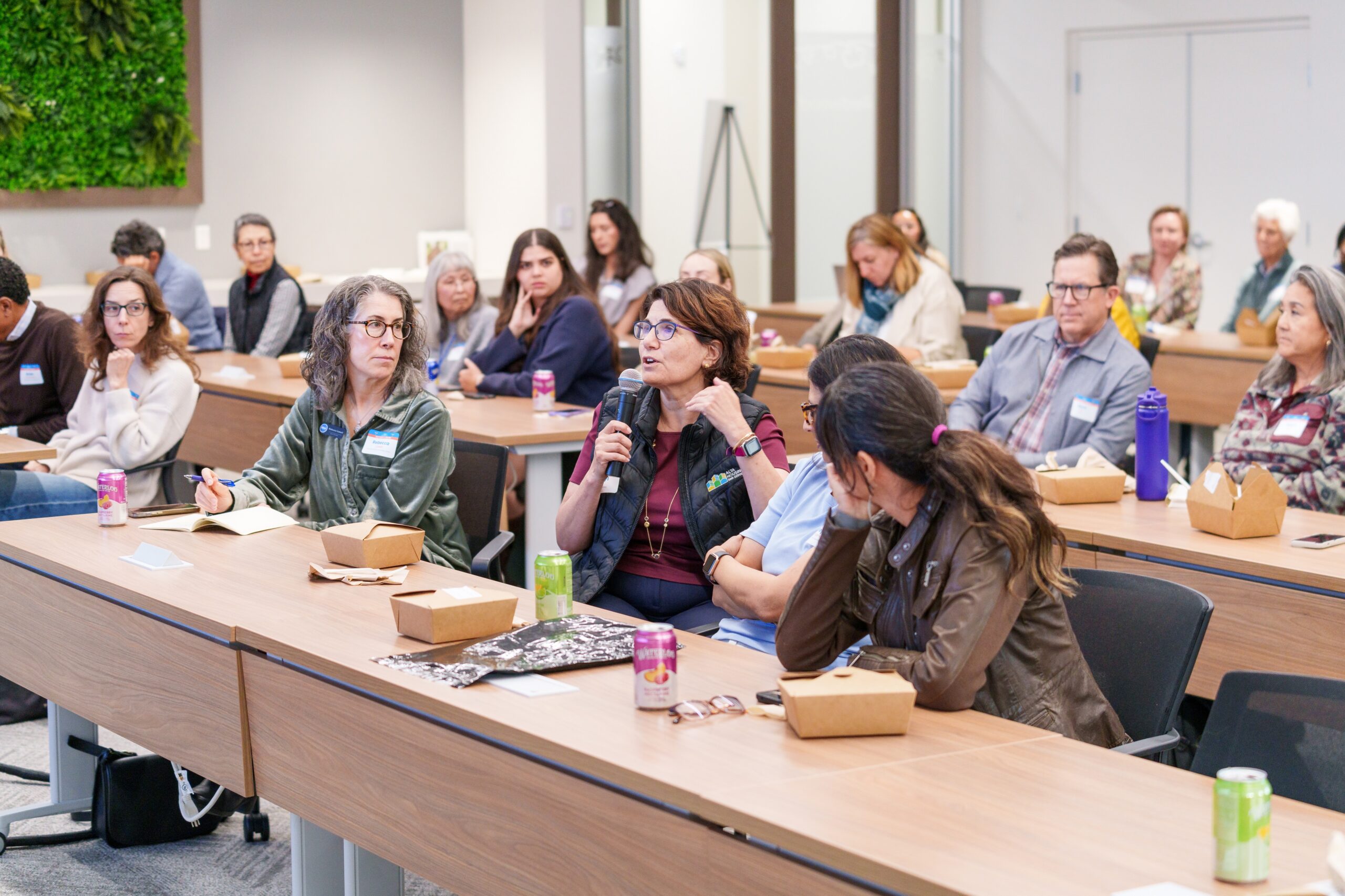
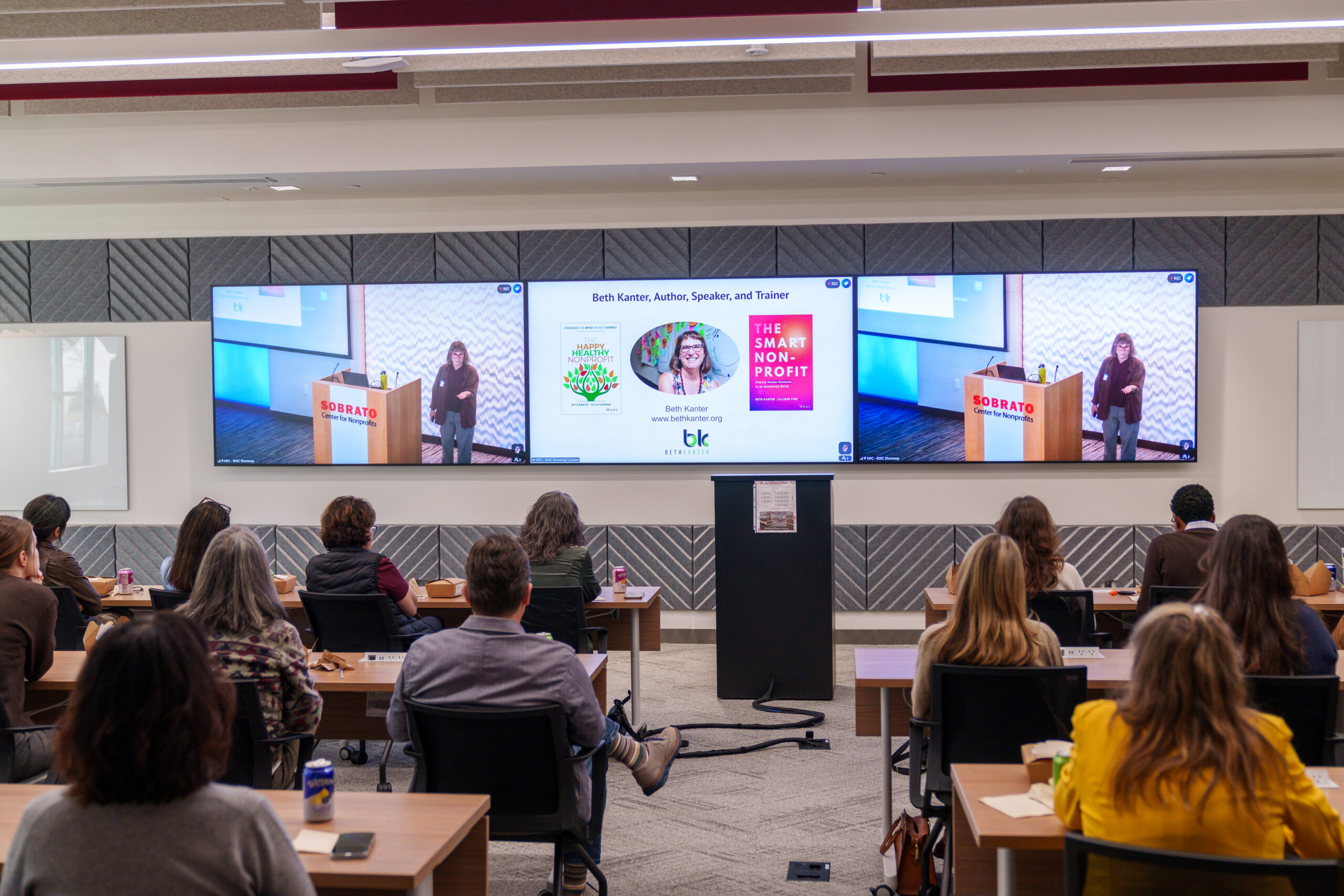
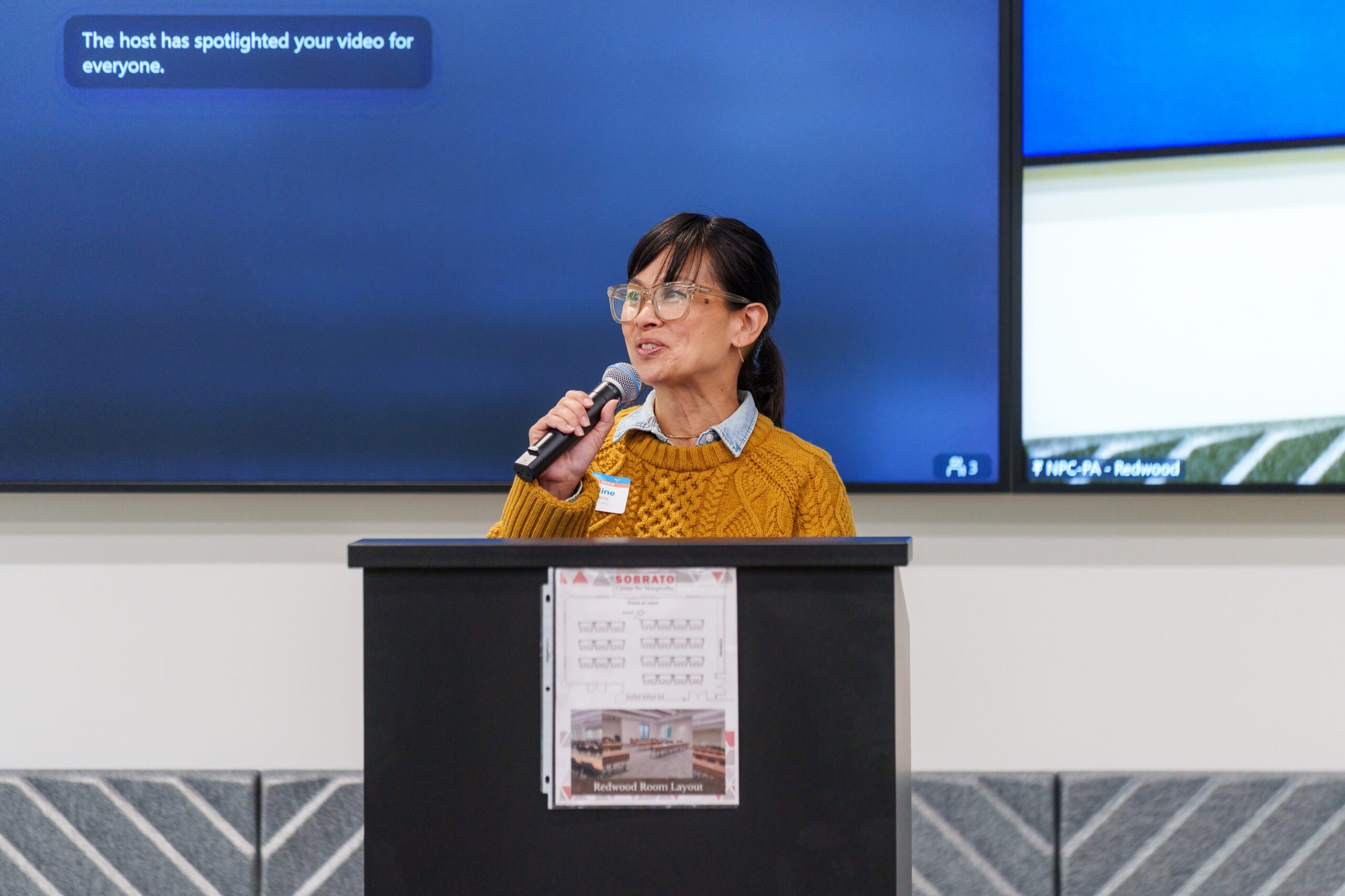
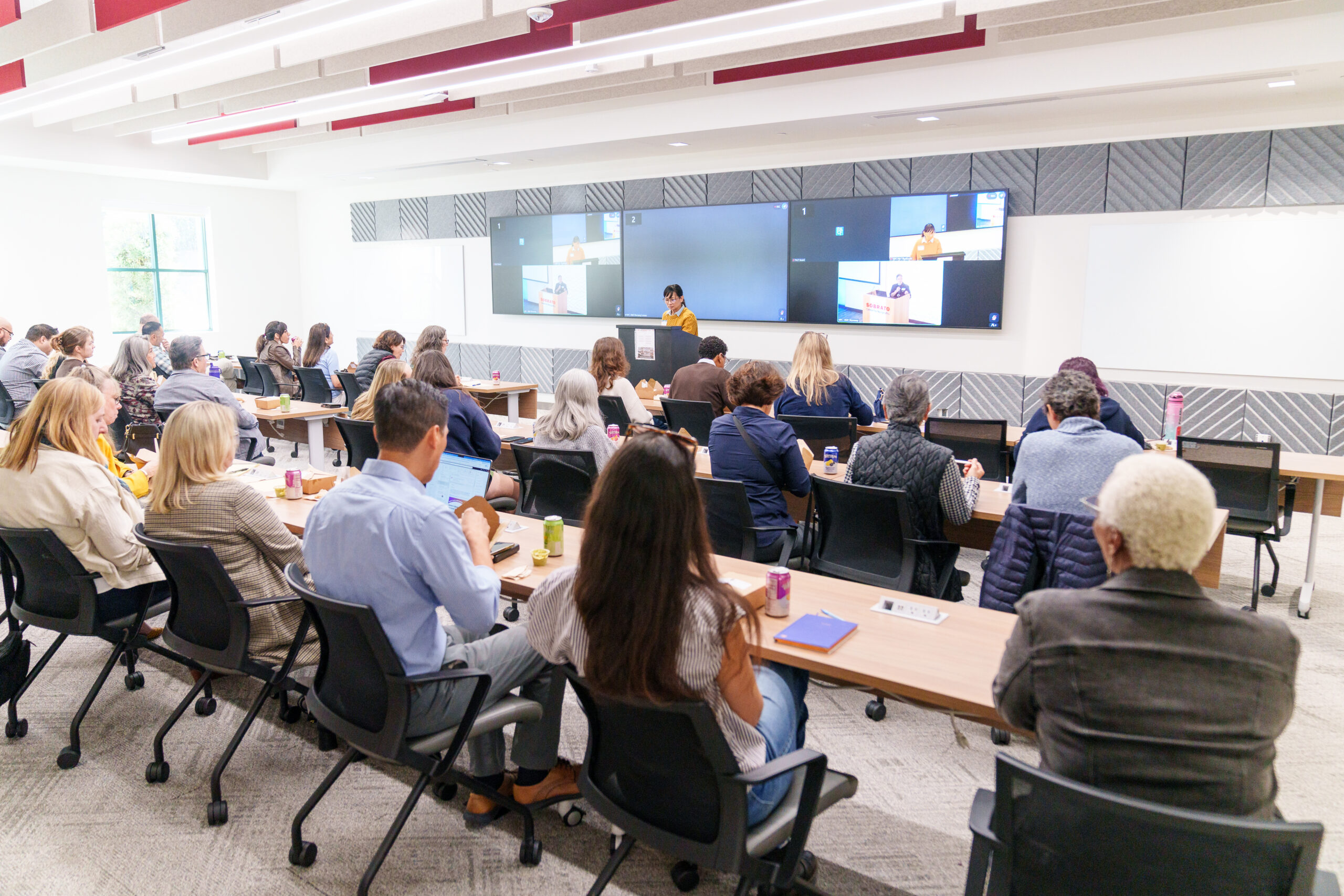
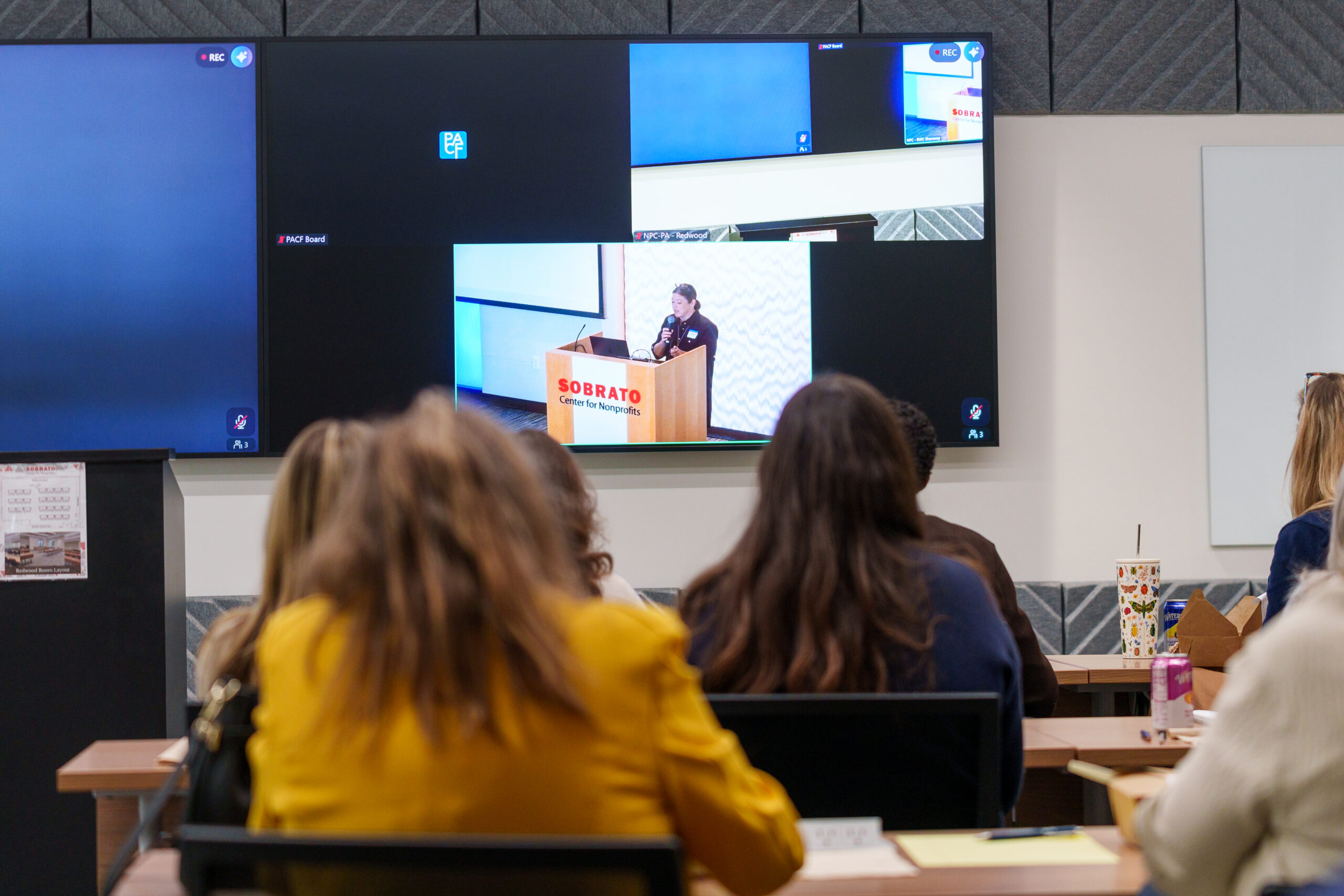
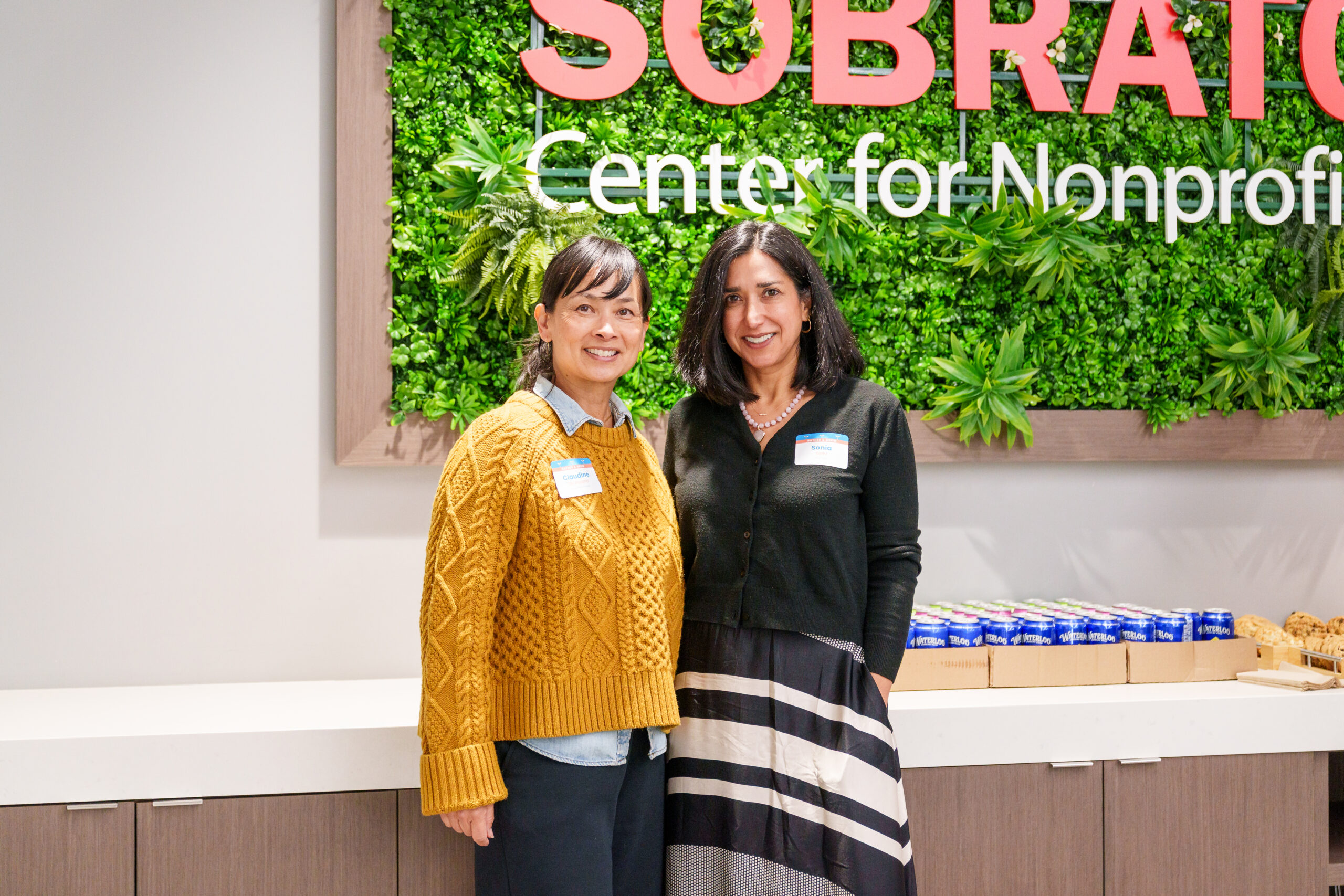
Together with Sobrato Philanthropies, Sand Hill Foundation, and the Palo Alto Weekly Holiday Fund, we pooled resources and relationships to make the gathering possible. Hosted at the Sobrato Centers for Nonprofits in Redwood Shores and Palo Alto, which offer meeting spaces for nonprofit use, the event connected participants through a live broadcast and shared Q&A. This was our first time linking two locations for a shared program, allowing us to accommodate more people while preserving in-person networking at each site. The experience offered a promising model for future gatherings.
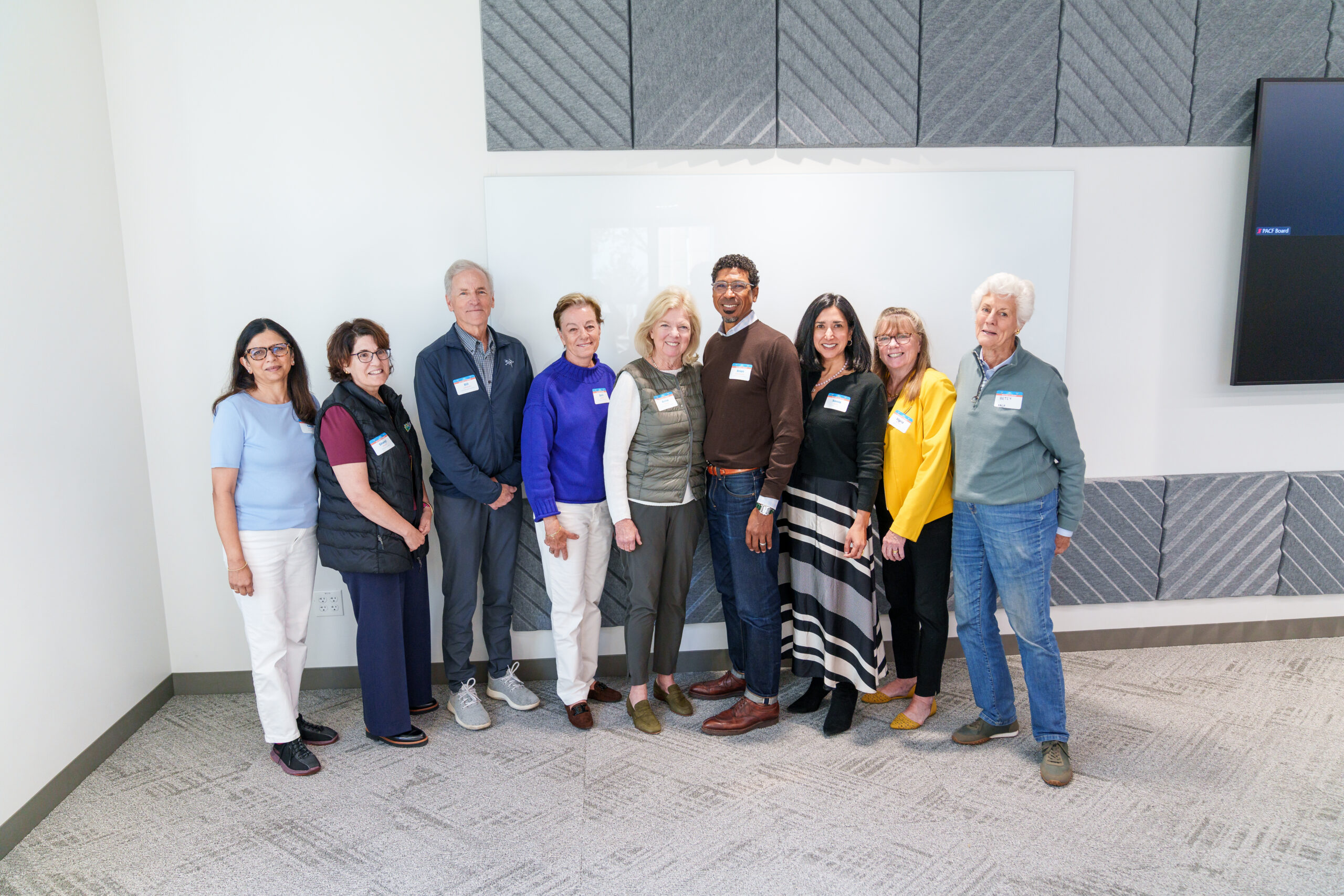
We often encourage nonprofits to collaborate, and this gathering was an opportunity to practice that ourselves. By sharing planning, costs, spaces, technology, and outreach, we brought expertise to a larger audience and introduced grantees to colleagues beyond any one funder’s network. Working together is increasingly essential to making the most of our collective resources.
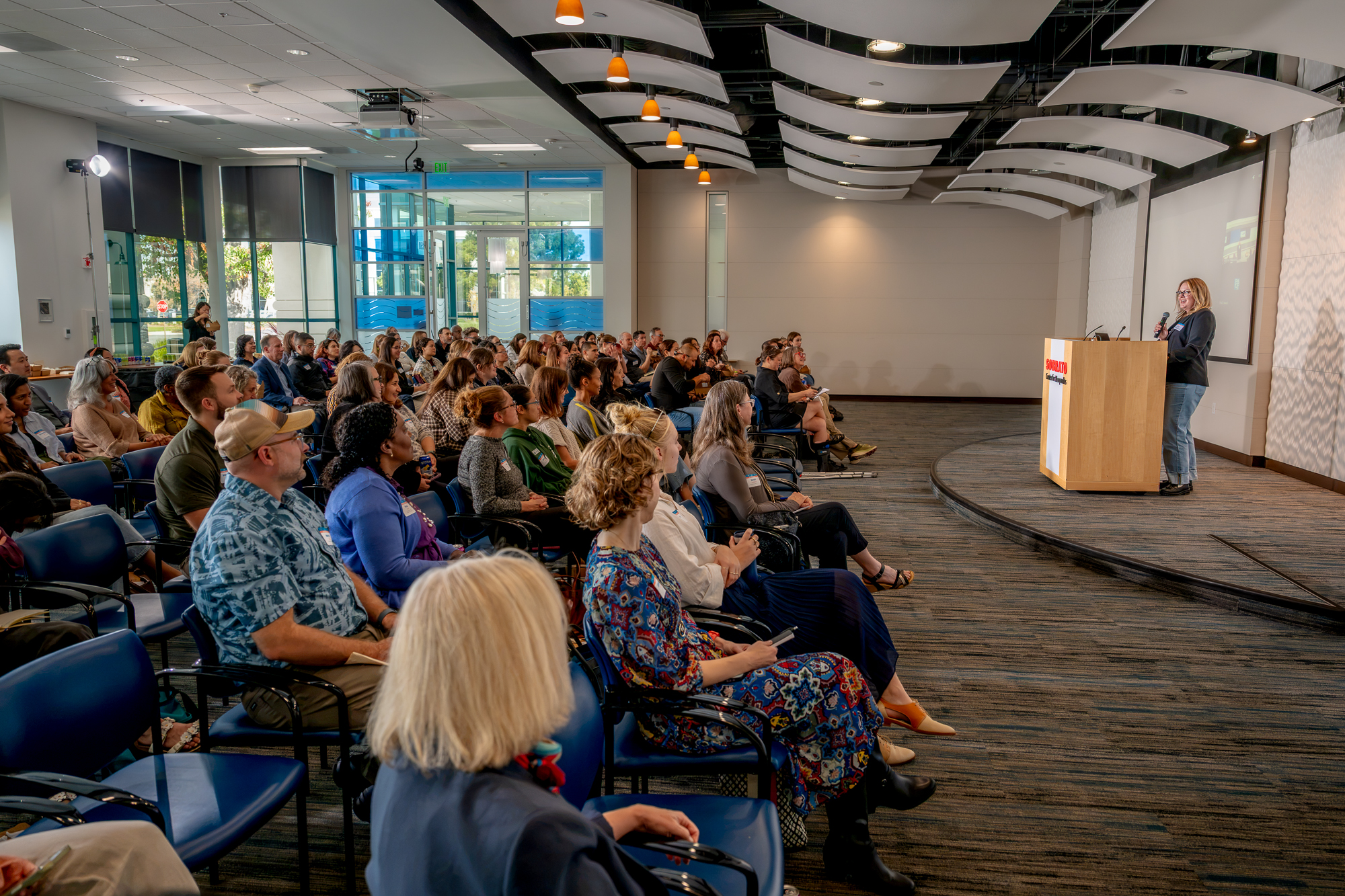
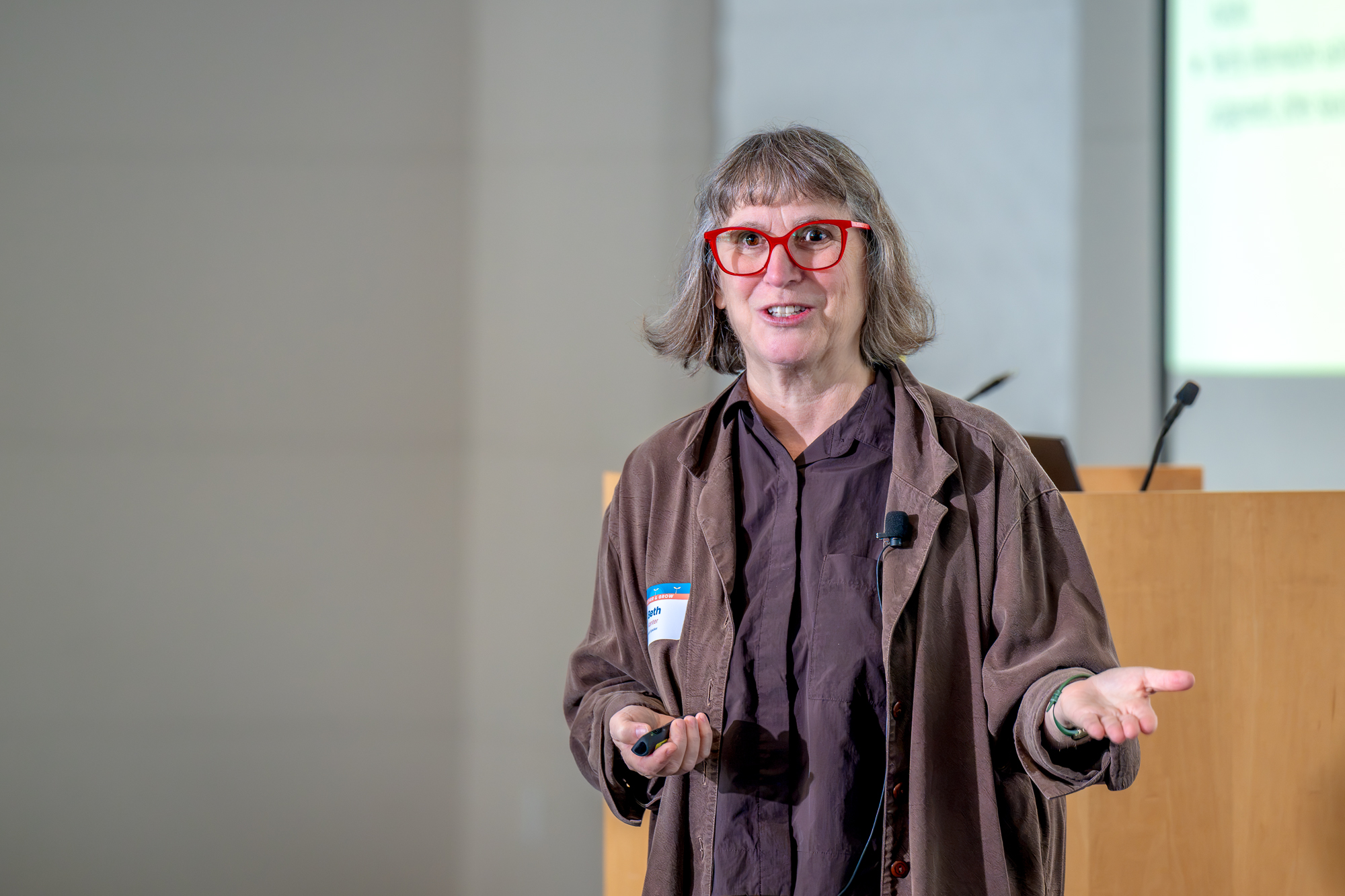
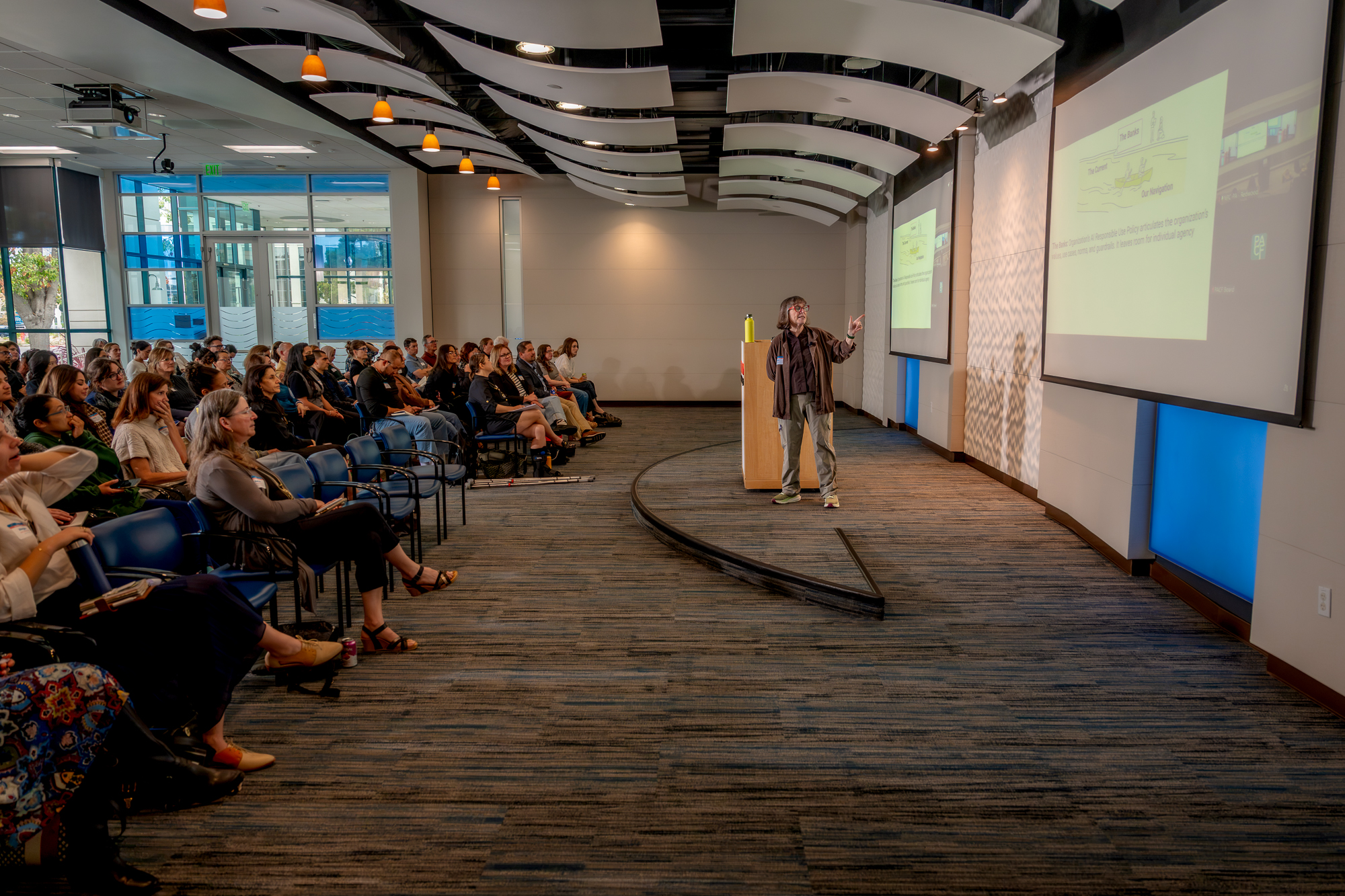
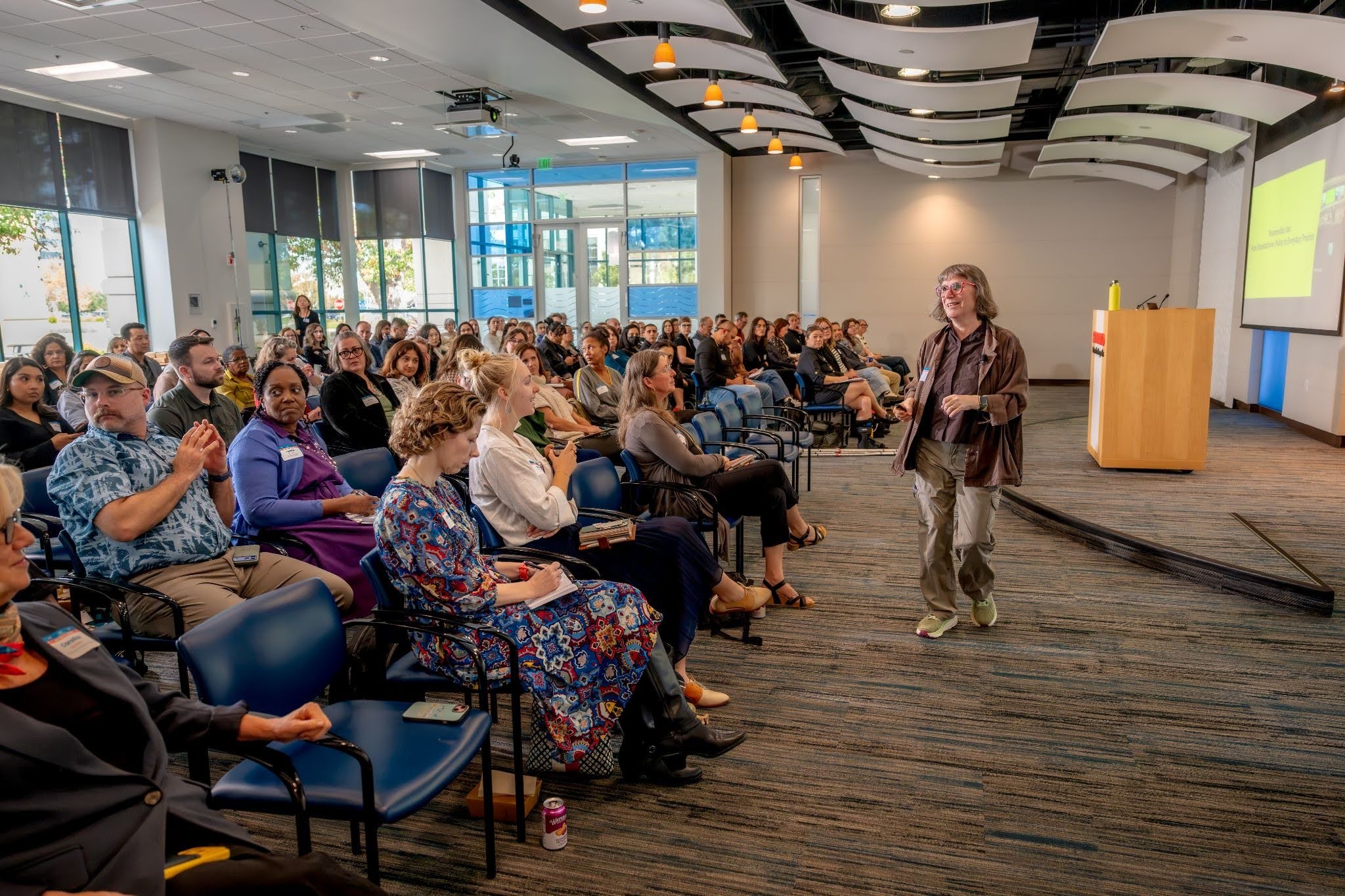
Author and nonprofit technology expert Beth Kanter led a substantive session exploring the possibilities, risks, and practical implications of AI for nonprofits. She encouraged participants to approach adoption intentionally, ethically, and in alignment with their organizational values. A central takeaway: time saved through AI should create more room for community connection and mission-driven work. Beth offered guidance on starting with manageable experiments, protecting sensitive information, and preserving the human judgment and relationships at the heart of nonprofit work.
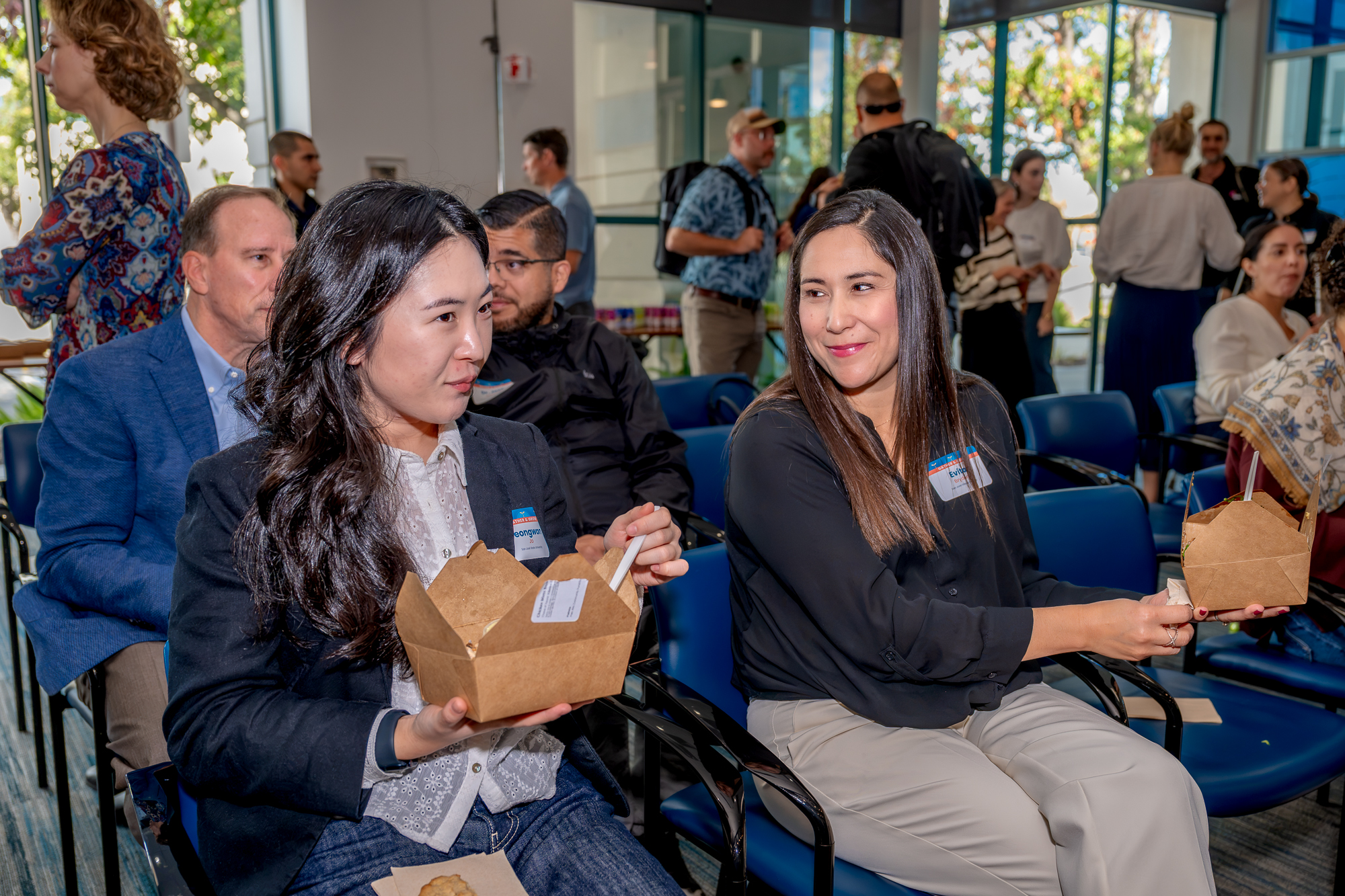
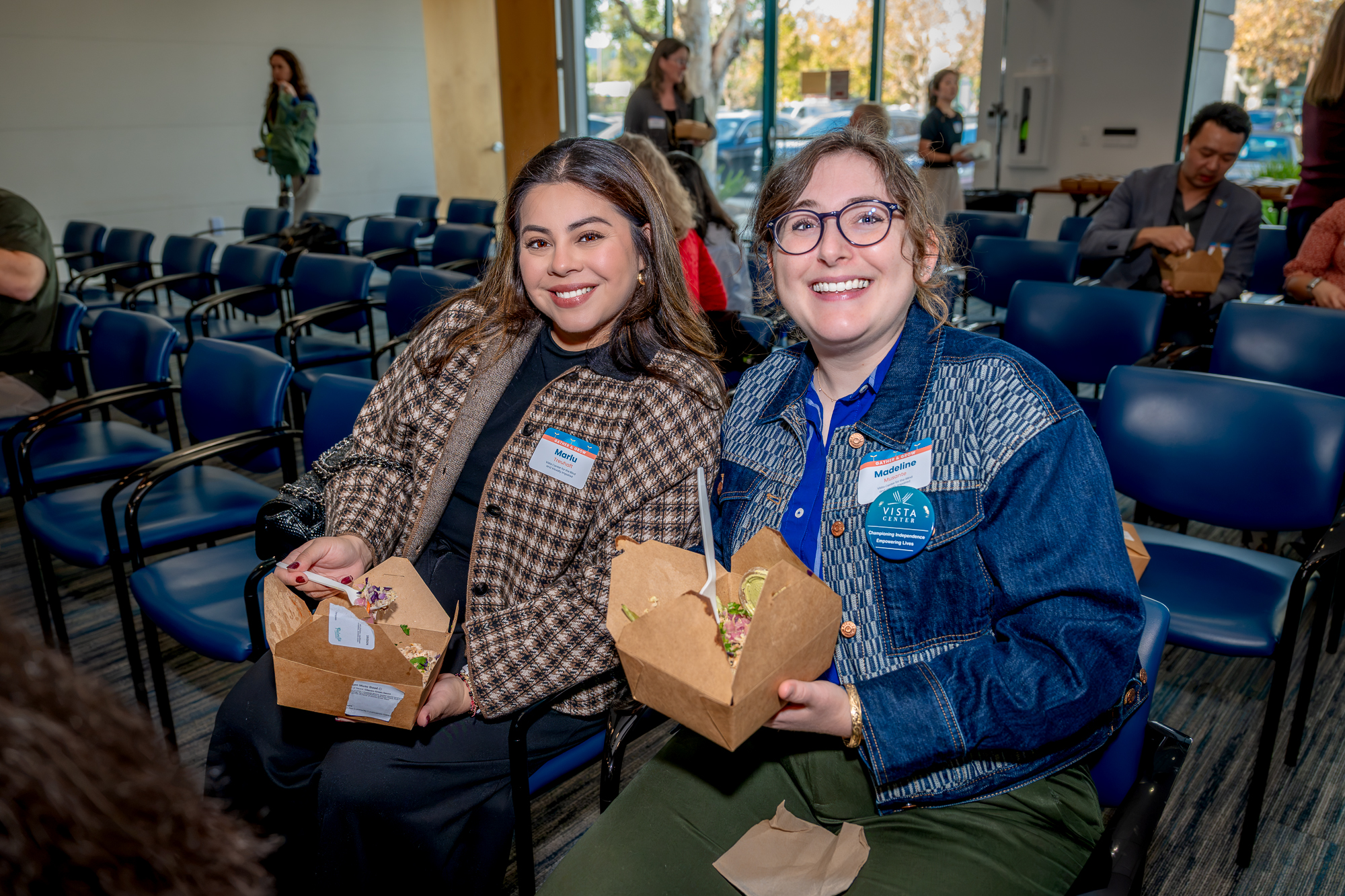
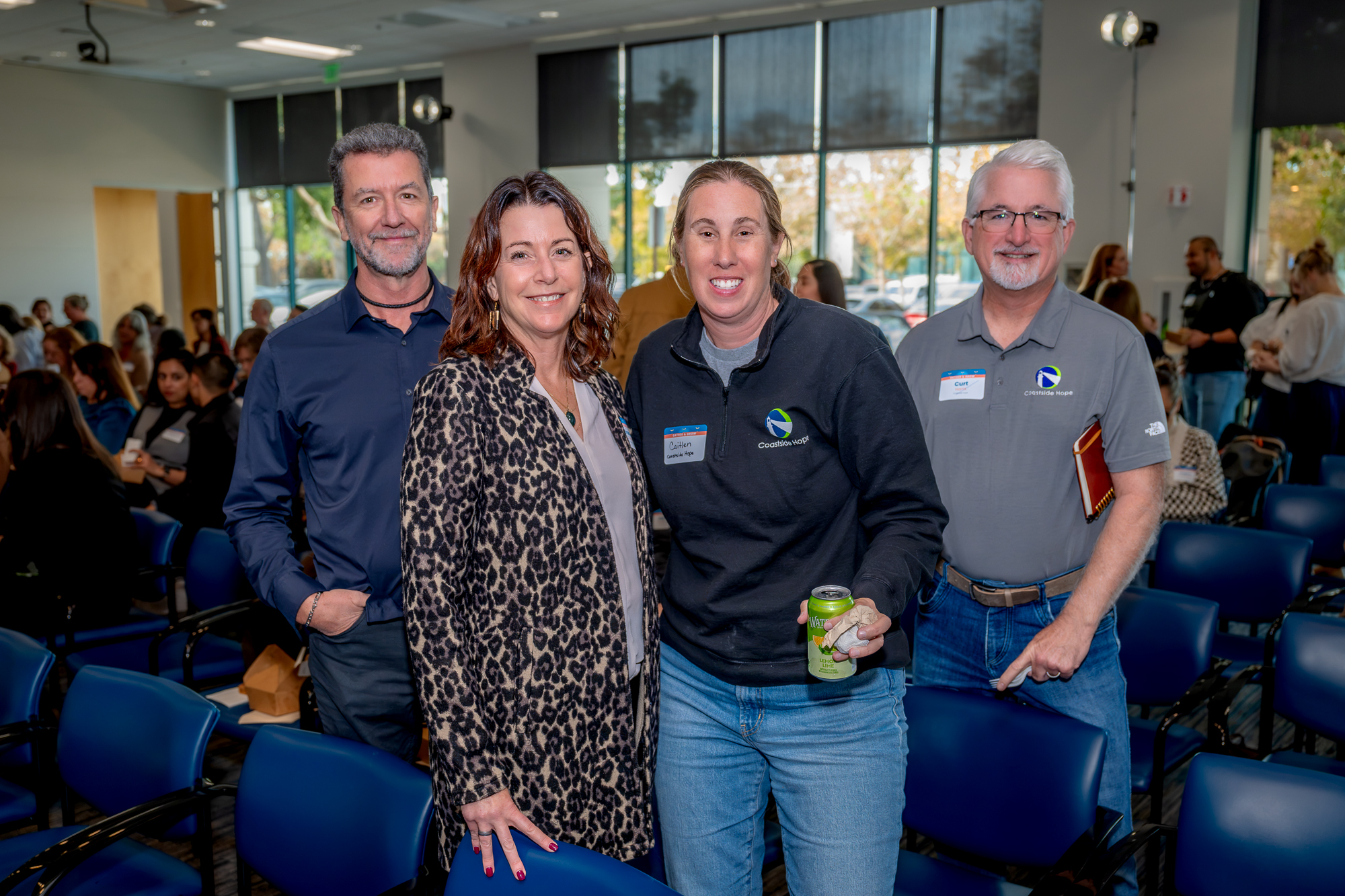
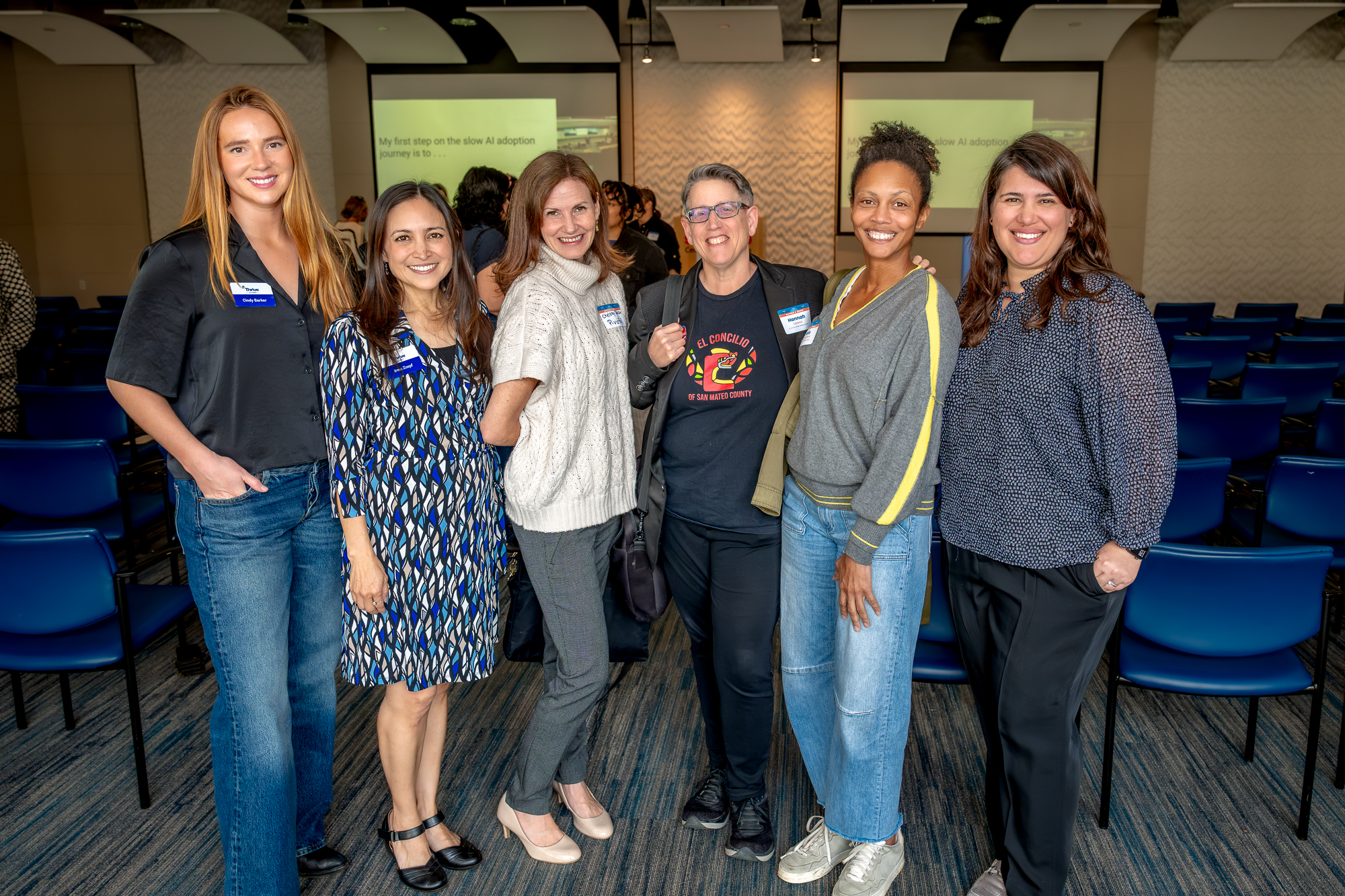
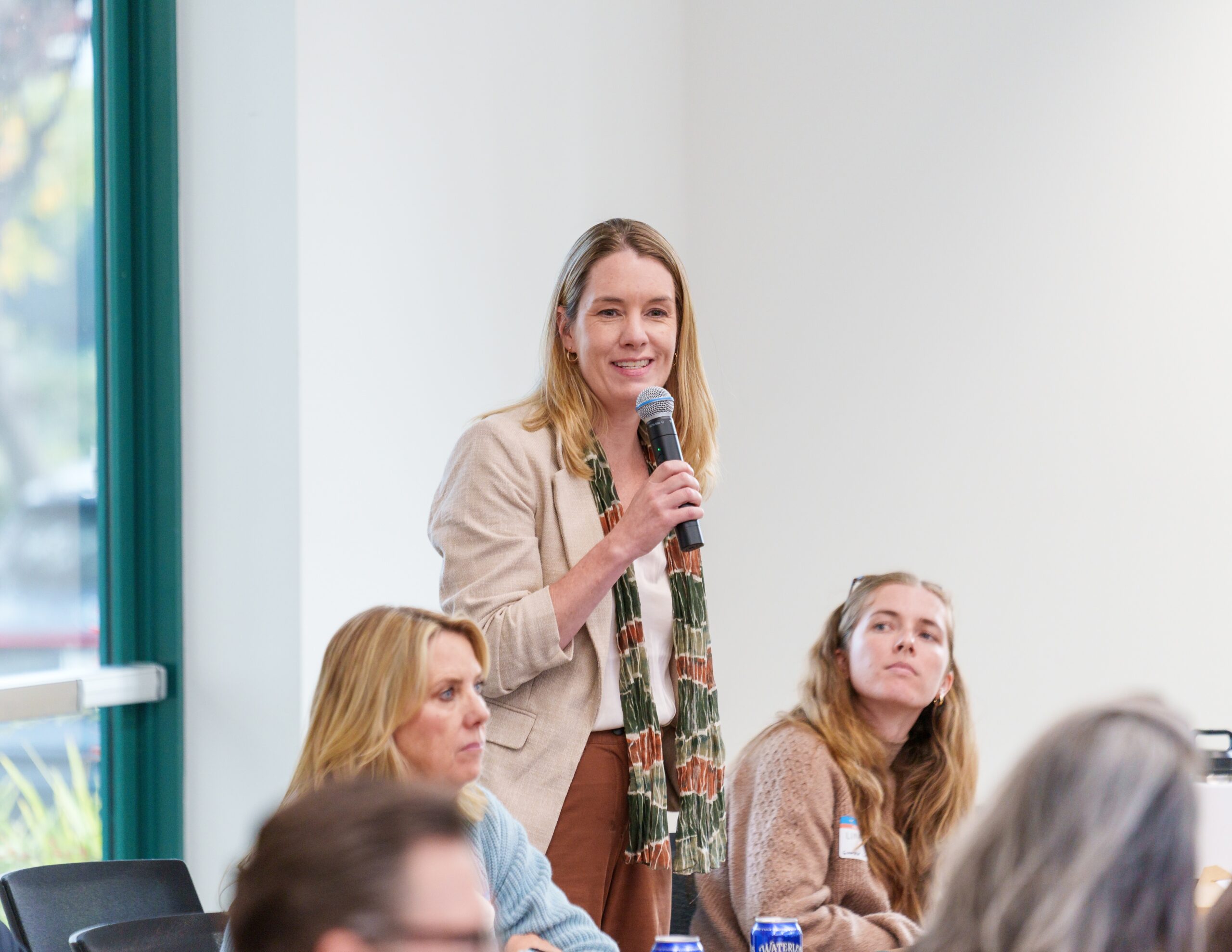
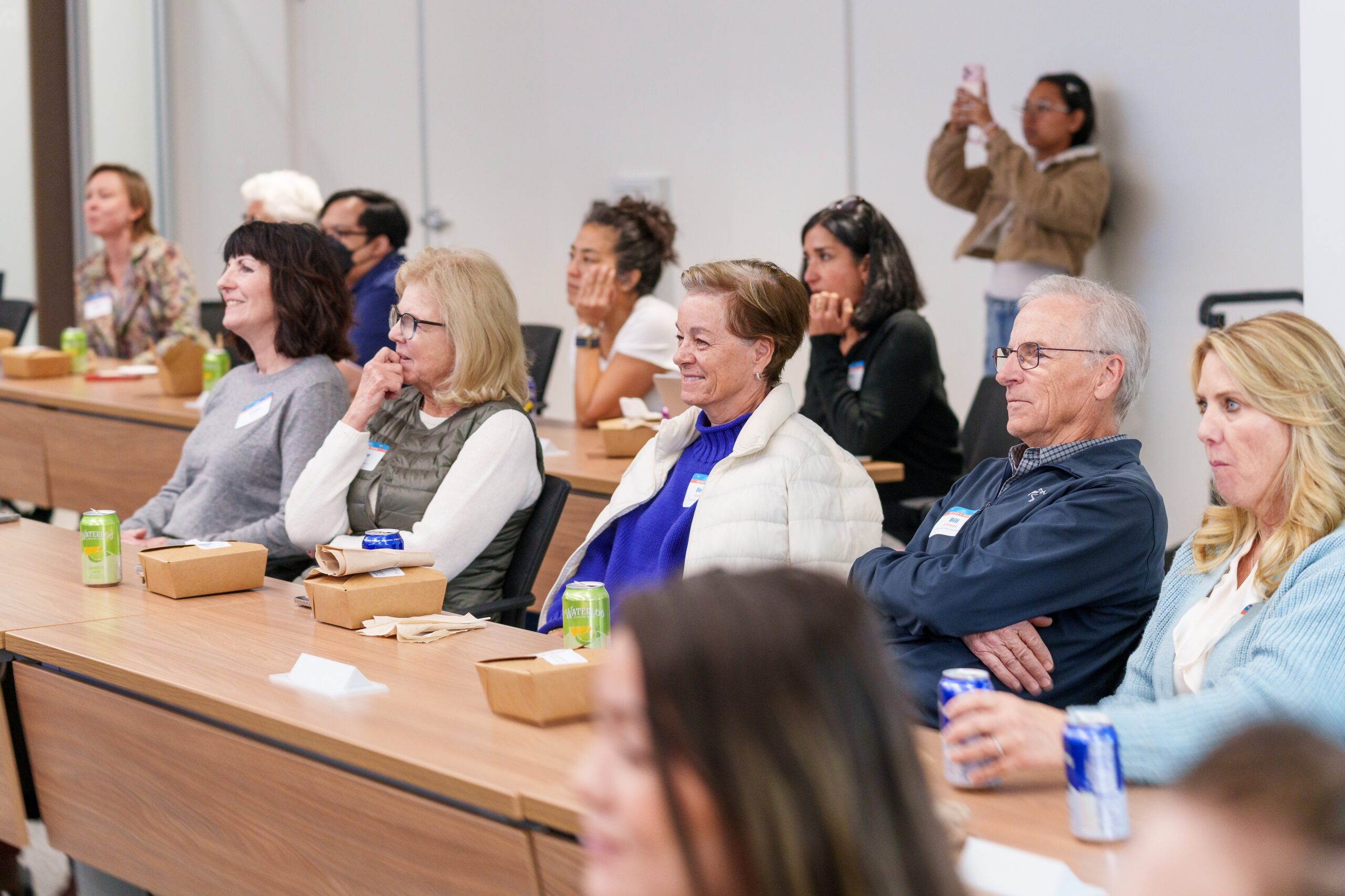
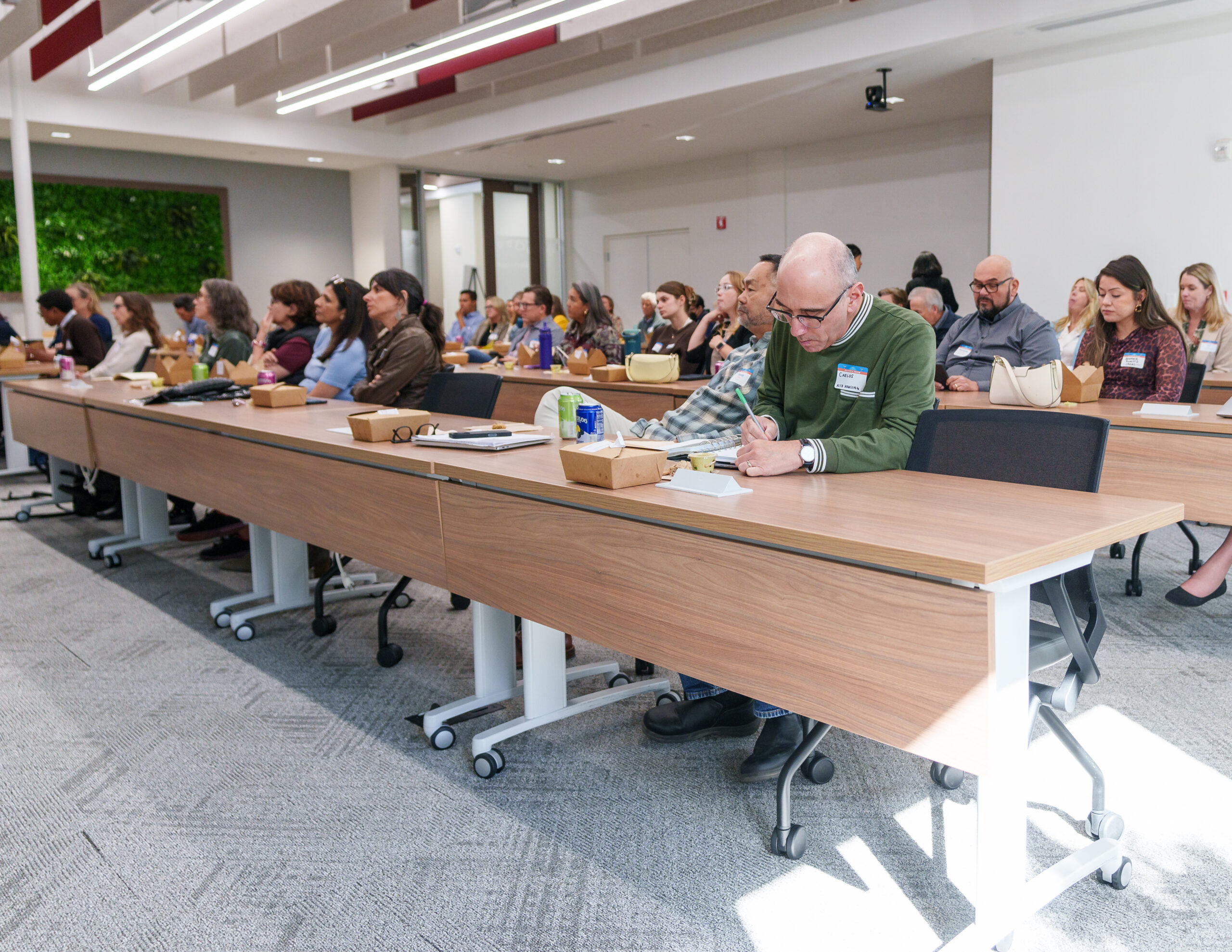
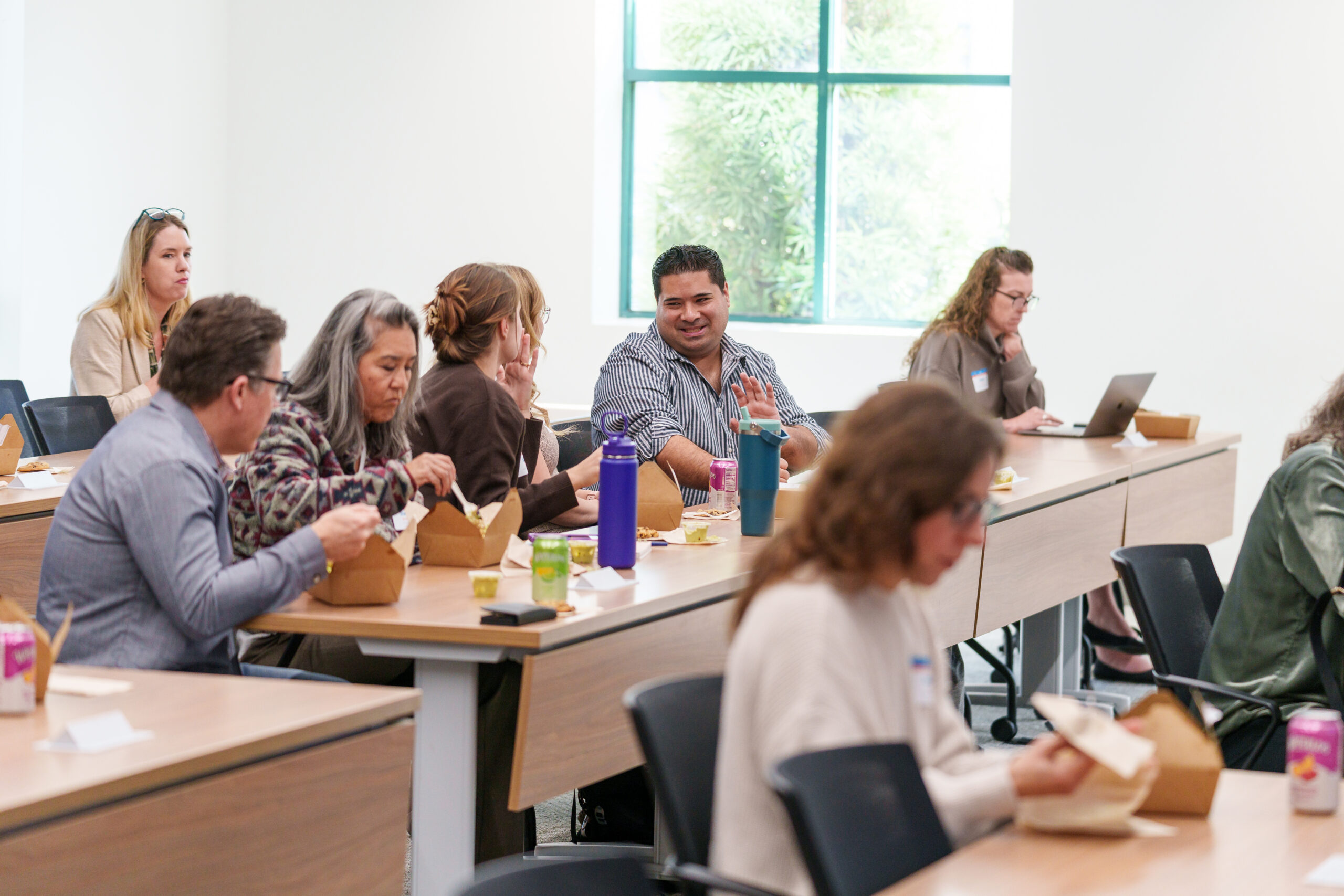
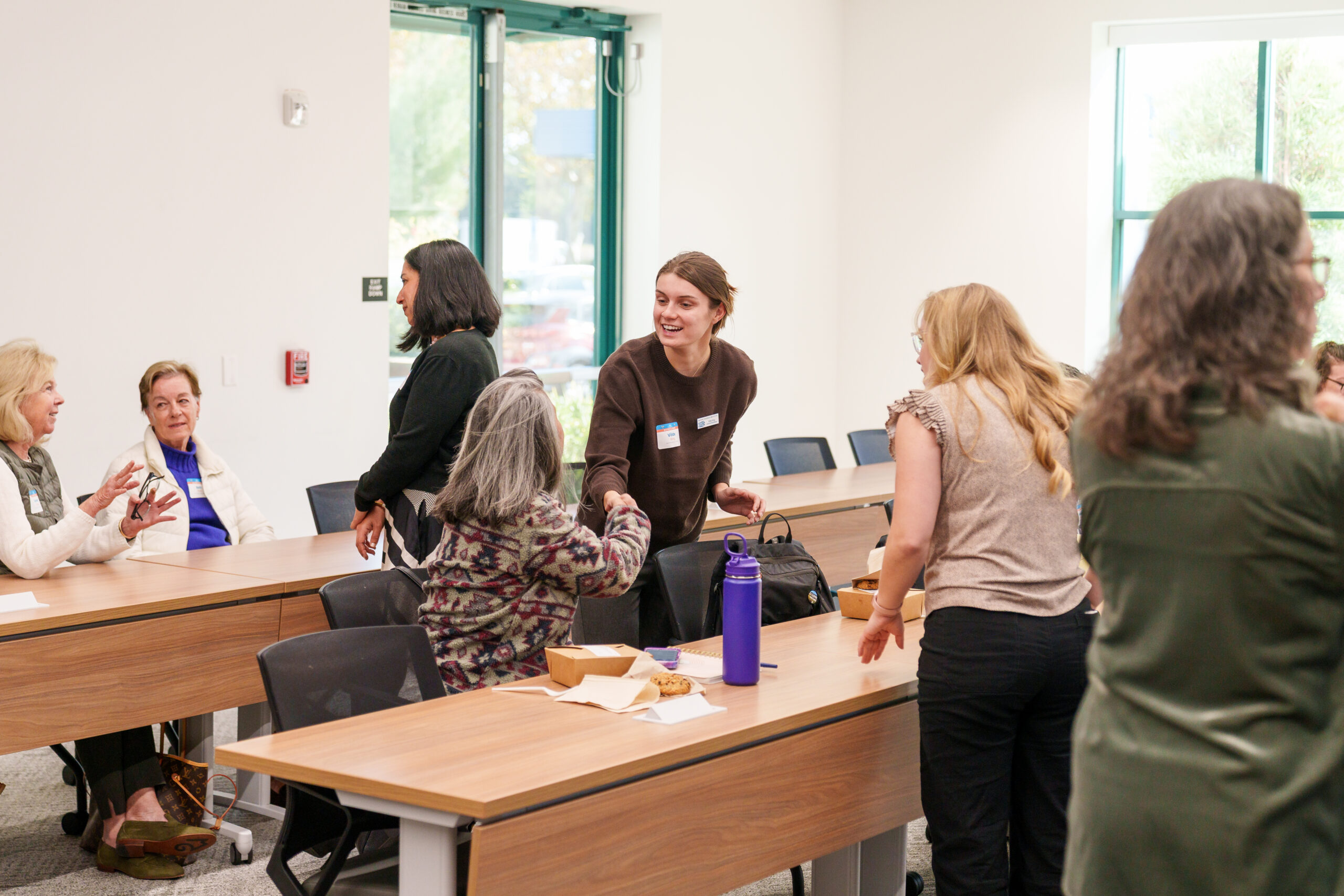
Time for connection was equally intentional. Over lunch and through informal conversations, participants met peers, shared experiences, and discussed common challenges.
A follow-up survey sent to participants will help us better understand how grantees are thinking about AI and what additional learning or support would be useful as they navigate its role in their work. Their feedback will help inform opportunities to continue learning together.